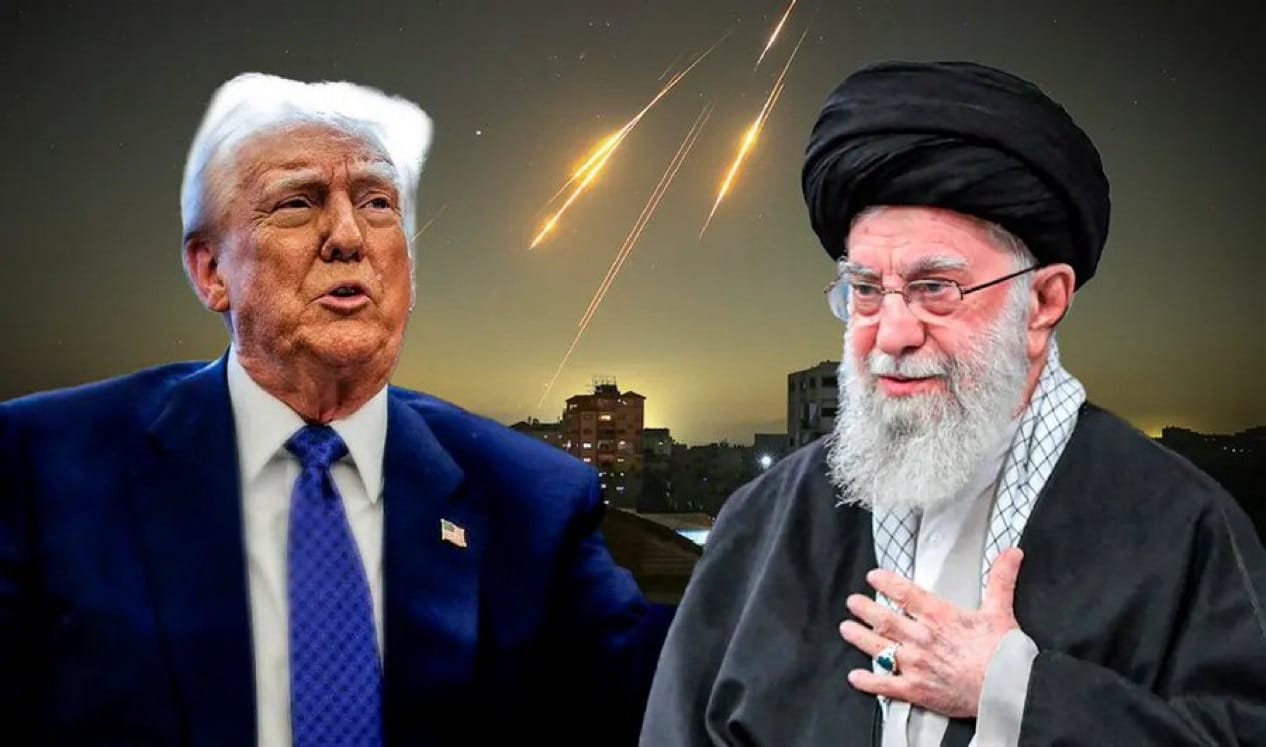

President Donald Trump has issued a strict directive to his national security team regarding potential military intervention in Iran: any action must deliver a “swift and decisive” blow to the regime and must not drag the United States into a prolonged conflict. However, according to sources familiar with the high-level deliberations, his top advisers have so far been unable to guarantee that a strike would lead to the rapid collapse of the Islamic Republic, leaving the White House in a strategic bind.
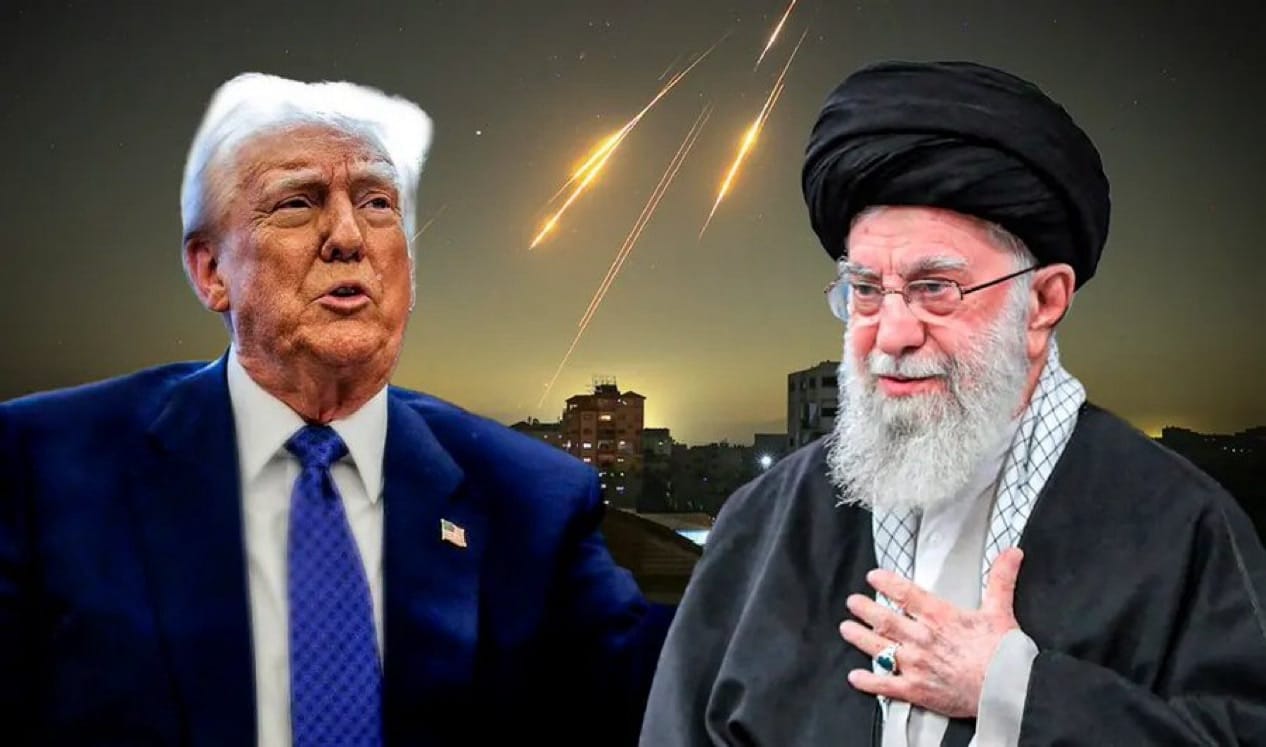
“If he does something, he wants it to be definitive,” said one source close to the discussions. The President is reportedly wary of a sustained campaign that stretches on for weeks or months. Instead, he is seeking a “knockout punch” that would support the ongoing protesters and precipitate the fall of the government in Tehran.
The hesitation among Pentagon planners stems from the unpredictability of the aftermath. Advisers have warned the President that a weakened, cornered regime—facing both internal revolution and external attack—might be far more dangerous than anticipated. There are concerns that the U.S. currently lacks the sufficient asset density in the region to fully guard against an aggressive, desperate Iranian retaliation against Gulf allies or American bases.
This friction between the President’s desire for a quick victory and the military’s caution could lead to a compromise strategy: a “limited” initial offensive designed to test the regime’s stability while reserving the option to escalate later. Defense Department officials presented these “tailored options” to Trump on Wednesday, following a meeting chaired by Vice President JD Vance.
Despite the war planning, Trump offered a potential diplomatic pause on Wednesday afternoon. Speaking from the Oval Office, he revealed that “very important sources” had informed him that the regime had halted the killing of protesters and suspended planned executions. “I hope it’s true. Who knows?” Trump remarked, adding that he would “watch and see” before making a final decision on military action.
On the ground, however, the U.S. military is taking no chances. Hundreds of troops have already been evacuated from Al Udeid Air Base in Qatar to safer locations, a precautionary move to protect personnel from Iranian missile barrages. While there has been no massive surge of forces comparable to the buildup before last June’s “Operation Midnight Hammer” (strikes on nuclear facilities), officials confirm that enough aircraft and naval assets remain in the region to conduct targeted strikes at a moment’s notice.