Iran has entered a critical phase of unrest as nationwide protests against the Islamic Republic extend into their thirteenth day, marking the most significant challenge to the theocracy since 2022. Following a call for mass mobilization by exiled opposition figures, including Crown Prince Reza Pahlavi, demonstrations have now spread to over 173 cities across all 31 provinces.
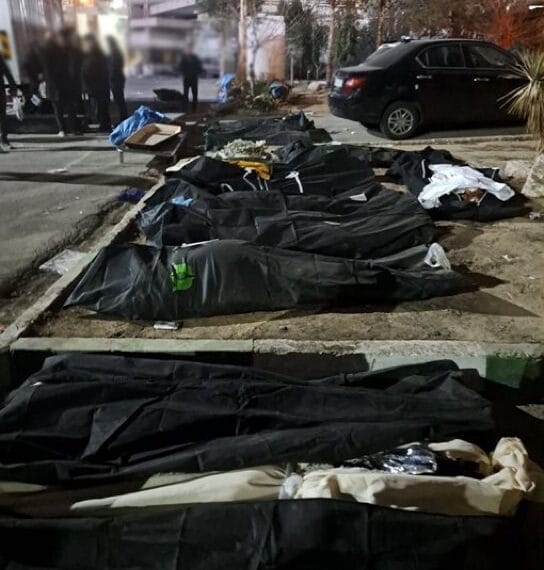
In a desperate bid to quell the uprising, the regime implemented a near-total internet blackout late Thursday, January 8. Connectivity levels have collapsed to approximately 1% of normal traffic, severing communication between protestors and the outside world. This digital siege coincides with reports of intensified violence by security forces. Rights groups and ground observers estimate the death toll has risen to at least 45 since protests began in late December 2025, with over 2,260 individuals detained.
What began as economic grievances over the collapsing Rial and hyperinflation has rapidly evolved into a movement for regime change. Slogans chanting “Death to the Dictator” and calls for the overthrow of Supreme Leader Ali Khamenei are now widespread. Significant clashes were reported early Friday in Mashhad, Iran’s second-largest city and a traditional religious stronghold, where protestors reportedly set fire to a police station. Similar scenes of arson targeting government buildings have been verified in Tehran’s Kaj Square and the Kurdish-majority cities of Sanandaj and Kermanshah.
The regime’s response has shifted from containment to brutal suppression. Reports indicate the deployment of the Islamic Revolutionary Guard Corps (IRGC) Ground Forces to several provinces, treating the unrest as an armed insurgency rather than civil disobedience. Live ammunition has been used in multiple locations, particularly in the western Kurdish regions.
Despite the blackout, the “Women, Life, Freedom” coalition and student unions have managed to coordinate strikes, shutting down bazaars in major economic hubs. The activation of Starlink terminals has provided a thin lifeline of information, allowing sporadic footage of the crackdowns to reach international media. With the regime’s legitimacy eroding and the economy in freefall, the situation remains volatile, with opposition leaders warning that the coming days will be decisive for the future of the Islamic Republic.