As the nationwide uprising in Iran enters its thirteenth day, the Islamic Republic has imposed a “total internet blackout,” effectively severing the country from the outside world in a desperate bid to stifle the flow of information. Despite the digital siege, limited footage and testimonies are trickling out, painting a picture of a regime losing control. Observers are calling today’s mobilization the largest and most intense since the 2009 Green Movement.
NetBlocks and other internet observatories have confirmed that connectivity across Iran has dropped to near zero, a tactic often used by Tehran immediately preceding violent crackdowns. “Most videos from Iran are now a few hours late due to the blockade,” one analyst noted, “but what is coming through shows a fearless population.”
The most dramatic confirmed incident occurred in the holy city of Mashhad, where protesters set a police station on fire. The image of the burning station—a symbol of state power in one of the regime’s ideological strongholds—signals a significant escalation in the public’s willingness to confront security forces directly.
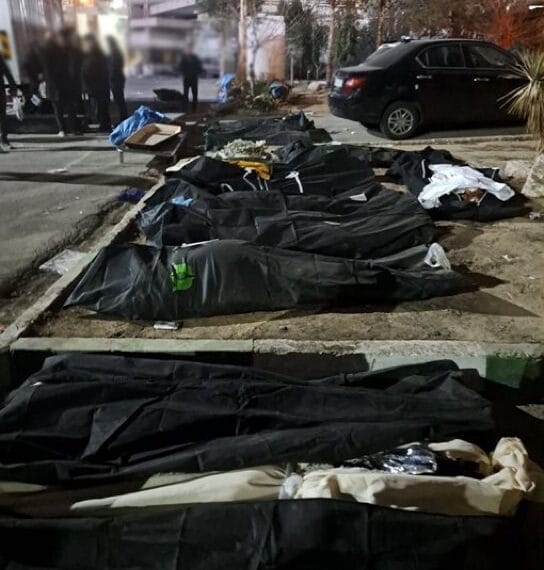
Reports of clashes and gunfire are emerging from various other major cities, though the blackout makes verifying casualty numbers impossible. The localized “rumours” suggest that the IRGC and Basij militia are deploying lethal force to quell the unrest, which has now sustained momentum for nearly two weeks.
The comparison to 2009 is stark. Unlike the reformist-led protests of that era, the current wave appears leaderless and explicitly anti-regime, with chants targeting the entire clerical establishment. The burning of government infrastructure in Mashhad on “Day 13” may mark a turning point from civil disobedience to open insurrection.

Footage Charlie Kirk has been shot

Charlie Kirk has been shot