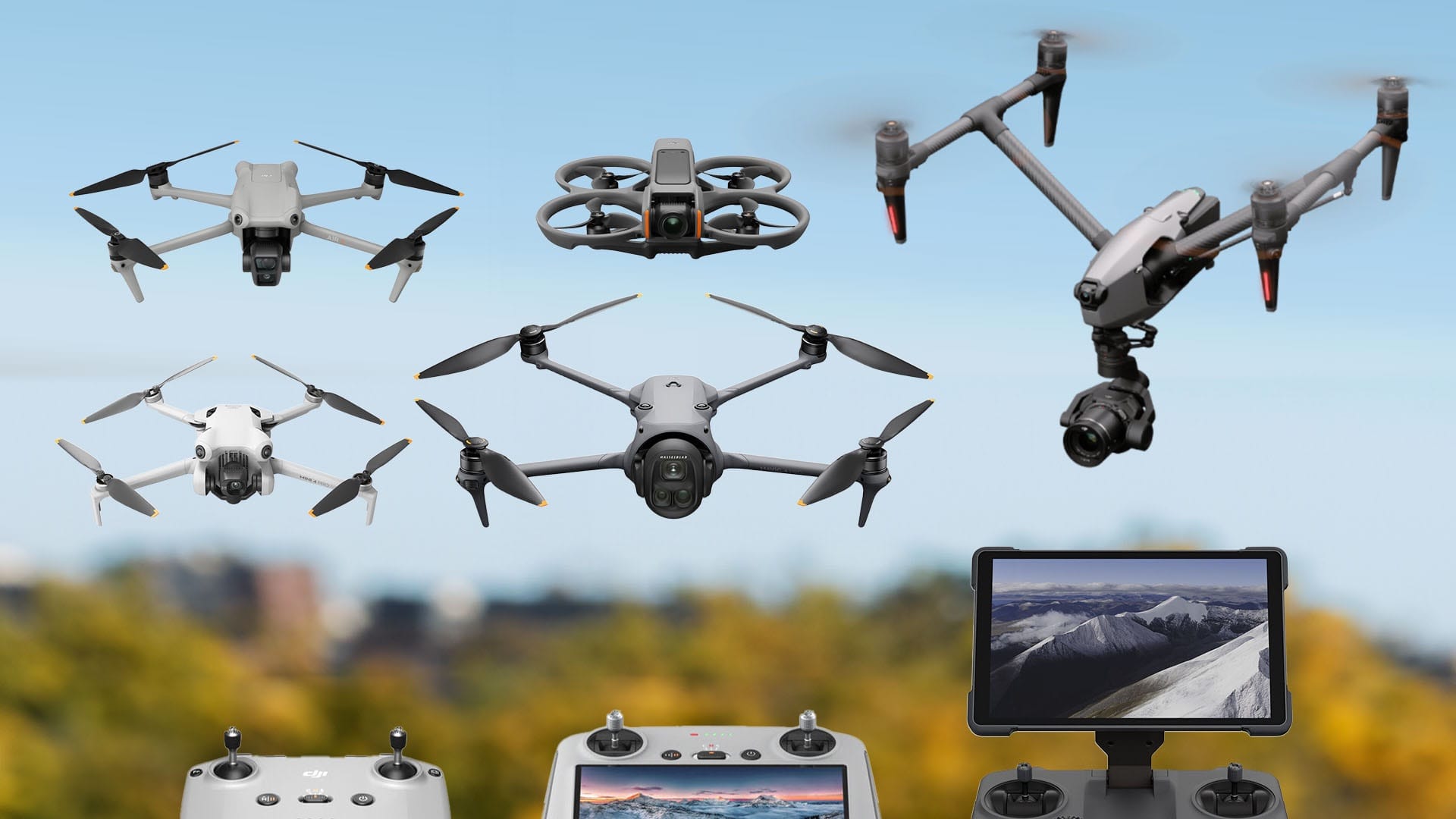

In one of the most aggressive technology decoupling moves to date, the United States has instituted a sweeping ban on the import, sale, marketing, and operation of all new foreign-manufactured drones and their components. The directive, announced by federal regulators on Monday, effectively severs the U.S. market from the global supply chain dominated by Chinese firms, specifically targeting industry giant DJI (Da-Jiang Innovations).
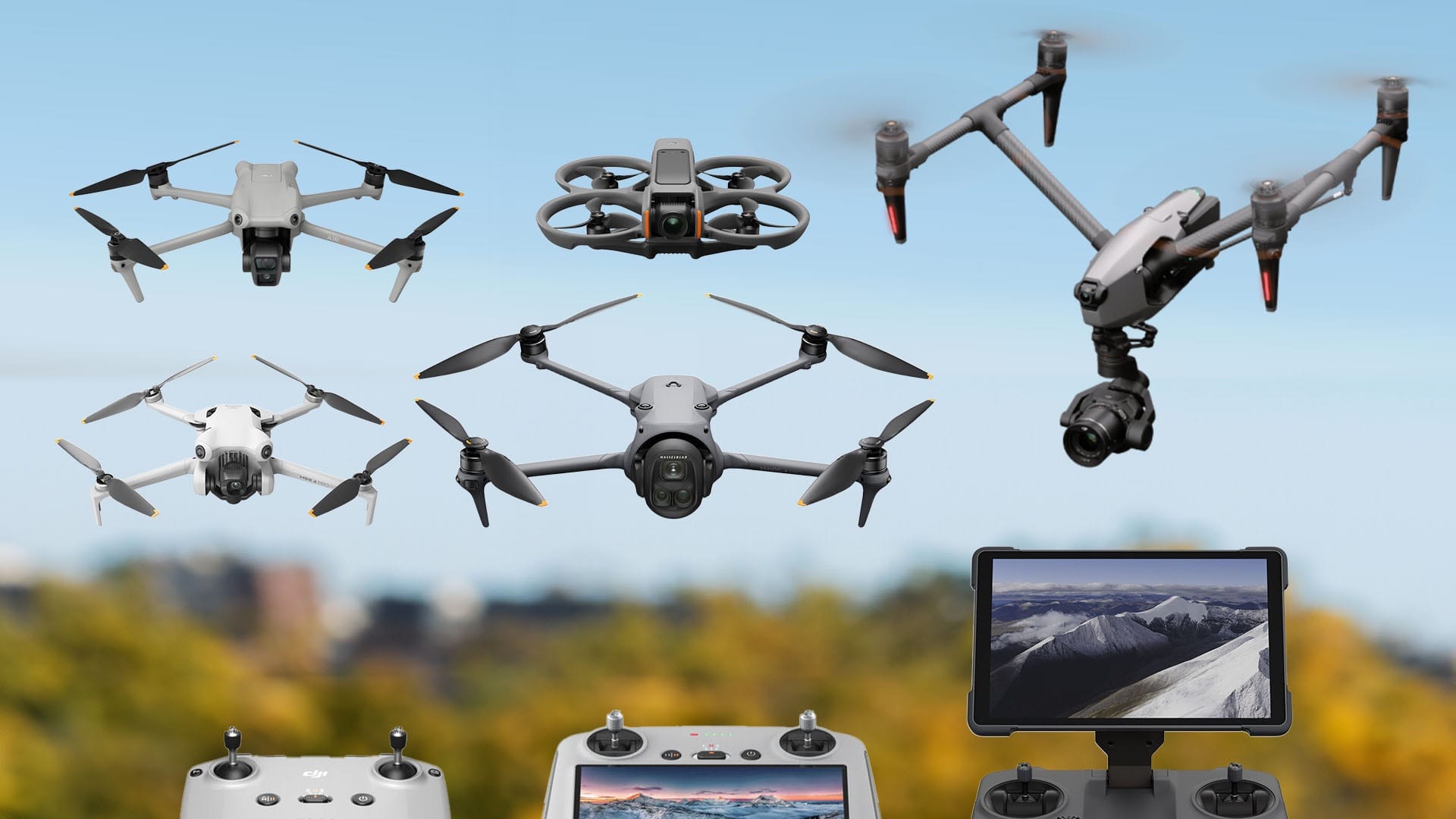
The new rule, which takes effect immediately for all future transactions, marks a dramatic escalation from previous restrictions that applied only to government agencies or military contractors. Now, the prohibition extends to the entire commercial and consumer sector. Under the mandate, no new foreign-made Unmanned Aircraft Systems (UAS) can be imported into the country, sold by retailers, or registered for flight with the Federal Aviation Administration (FAA). This creates a hard “sunset” for foreign technology in American skies: while existing registered fleets are currently grandfathered, they cannot be replaced or upgraded with foreign hardware.
National security officials have long warned that Chinese-made drones present an unacceptable risk to U.S. sovereignty. The primary concern is data exfiltration—the fear that these flying computers could be mapping critical infrastructure, such as power grids, bridges, and military installations, and beaming that data back to servers in Beijing. “We are effectively stopping a foreign adversary from operating millions of surveillance assets inside our borders,” a senior Department of Commerce official explained during the briefing. “This is about securing the digital perimeter of our nation.”
The ban is comprehensive, targeting not just the airframes but the “brain” of the drone. It prohibits the use of foreign-made flight controllers, data transmission links, and gimbal cameras in any “new” system. This prevents American companies from simply assembling Chinese parts domestically to bypass the rules, ensuring that the entire supply chain must shift to trusted allies or domestic manufacturing.
The impact on the U.S. economy will be immediate and profound. DJI currently commands an estimated 70-80% of the U.S. commercial drone market. Public safety agencies, including police departments and fire and rescue teams, rely heavily on affordable, high-tech DJI platforms for search and rescue and tactical overwatch. Agriculture, real estate, and construction industries also depend on these tools. Industry analysts warn of a “capability gap” and a massive price shock, as U.S.-made alternatives—such as those from Skydio, Teal, and Brinc—are generally significantly more expensive and currently lack the manufacturing capacity to meet total national demand.
Domestic drone manufacturers, however, have hailed the decision as a necessary correction to a market distorted by subsidized foreign dumping. Stocks for U.S. defense and autonomous systems companies surged on the news, anticipating a flood of government and private contracts.
DJI has condemned the move as “unfounded fear-mongering” and a violation of market principles, arguing that their products are designed with privacy controls that keep data local. However, with the geopolitical rift widening, the era of cheap, ubiquitous Chinese drones in America appears to be over, replaced by a secure, albeit more expensive, domestic ecosystem.