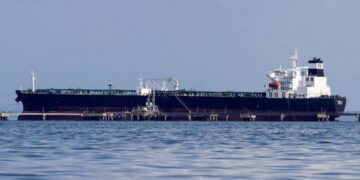


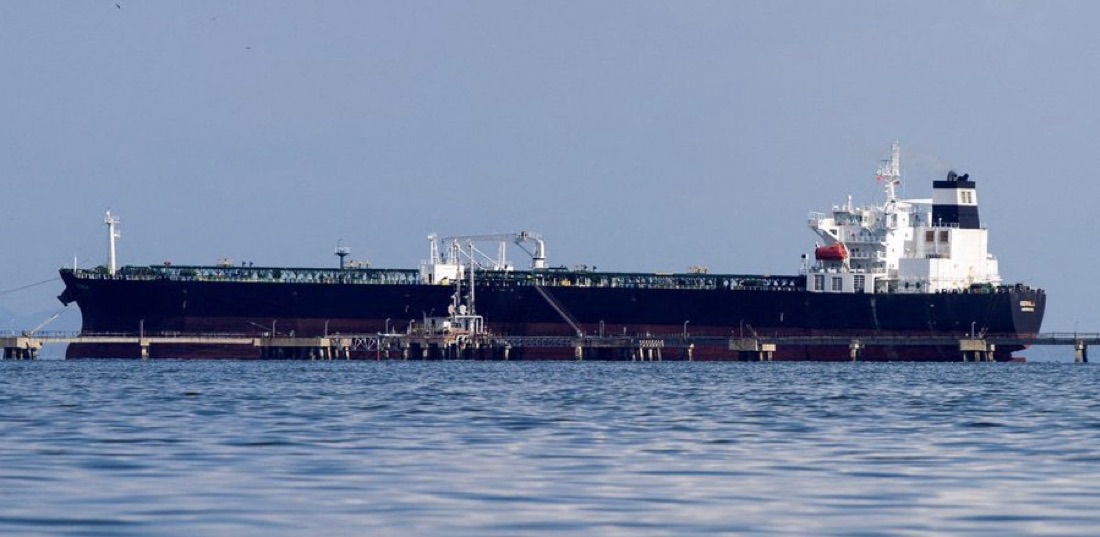
A dramatic escalation in tensions between the United States and Venezuela occurred with reports that U.S. forces have intercepted and seized a sanctioned oil tanker operating off the coast of Venezuela. This move marks a serious new step in the ongoing pressure campaign against the regime of President Nicolás Maduro.
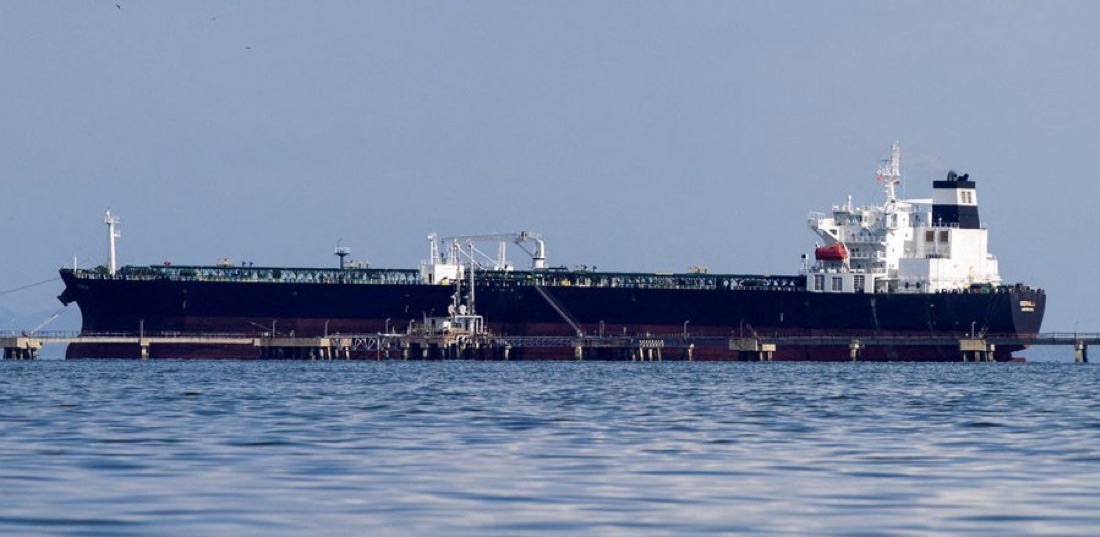
The seizure, according to people familiar with the matter, is a significant event in the Caribbean, where US military presence has surged in recent months. The US has increased its naval activity in the region, including the deployment of a carrier strike group led by the USS Gerald R. Ford and the destroyer USS Stockdale, as part of an expanded anti-narcotics mission. However, this mission has increasingly targeted operations tied to the Maduro regime, particularly those involving the flow of sanctioned commodities.
Context of Sanctions Enforcement
The seizure comes amid heightened naval posturing aimed at cutting off the Maduro regime’s access to international markets.
* Maximum Pressure Policy: The interception is viewed as an extension of the Trump administration’s “maximum pressure” policy on Venezuela, which seeks to disrupt the oil trade and isolate Caracas.
* Tanker Incidents: In recent weeks, US naval activity has centered on deterring vessels from reaching Venezuelan ports. For instance, the USS Stockdale was reportedly involved in several encounters in November, positioning itself in the path of the sanctioned Russian tanker Seahorse, which was carrying naphtha (a crucial diluent for Venezuelan crude). The Seahorse was repeatedly forced to change course, although it later managed to reach its destination.
* Previous Seizures: This latest seizure echoes a 2020 action where the US Justice Department successfully executed a forfeiture order and confiscated approximately 1.116 million barrels of Iranian petroleum cargo bound for Venezuela.
The seizure of a sanctioned vessel directly engaged in trade with Venezuela marks a more forceful military enforcement of sanctions compared to previous instances of simply deterring or tracking.
Silence from Key Actors
As of the immediate reports, official comments regarding the highly sensitive operation were pending:
* The White House did not immediately respond to a request for comment.
* Venezuela’s state oil company Petróleos de Venezuela SA (PDVSA) did not immediately reply to requests for comment.
* Venezuela’s oil and information ministries also didn’t immediately reply to requests for comment.
The lack of immediate response from all key parties—US military command, the White House, and Venezuelan authorities—suggests the high-stakes nature of the interception and the potential diplomatic fallout from what is considered a serious escalation of tensions between the two countries. The move directly challenges the lifeline the Maduro regime uses to circumvent sanctions, particularly through its reliance on the so-called “shadow fleet” of tankers and the aid of foreign partners like Russia and Iran.