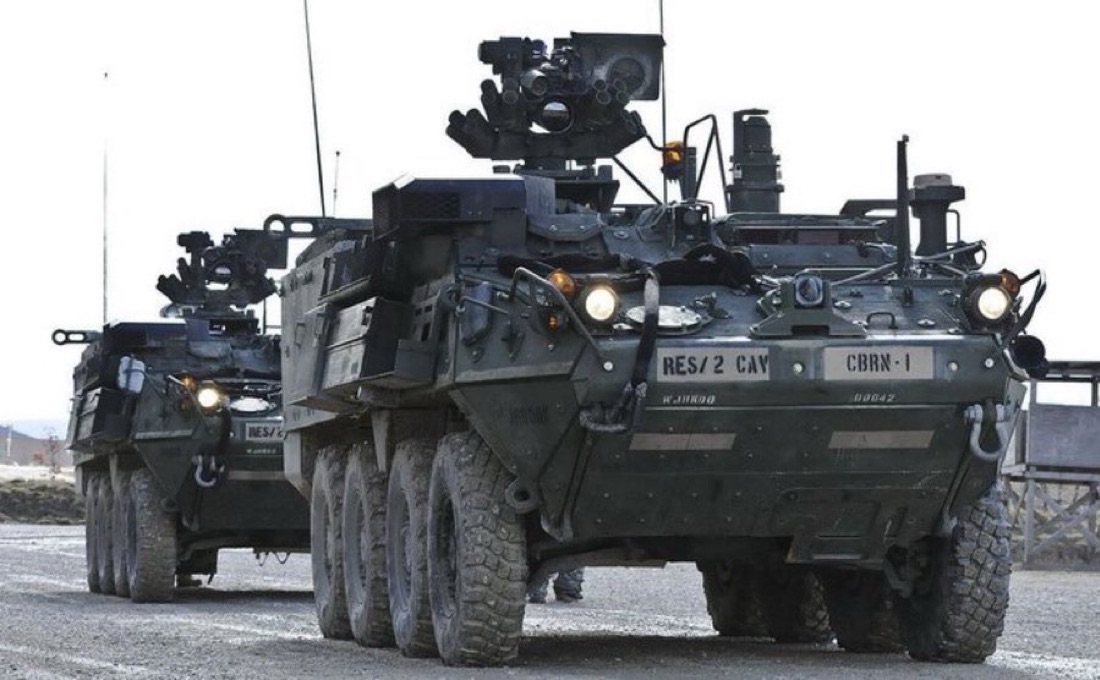

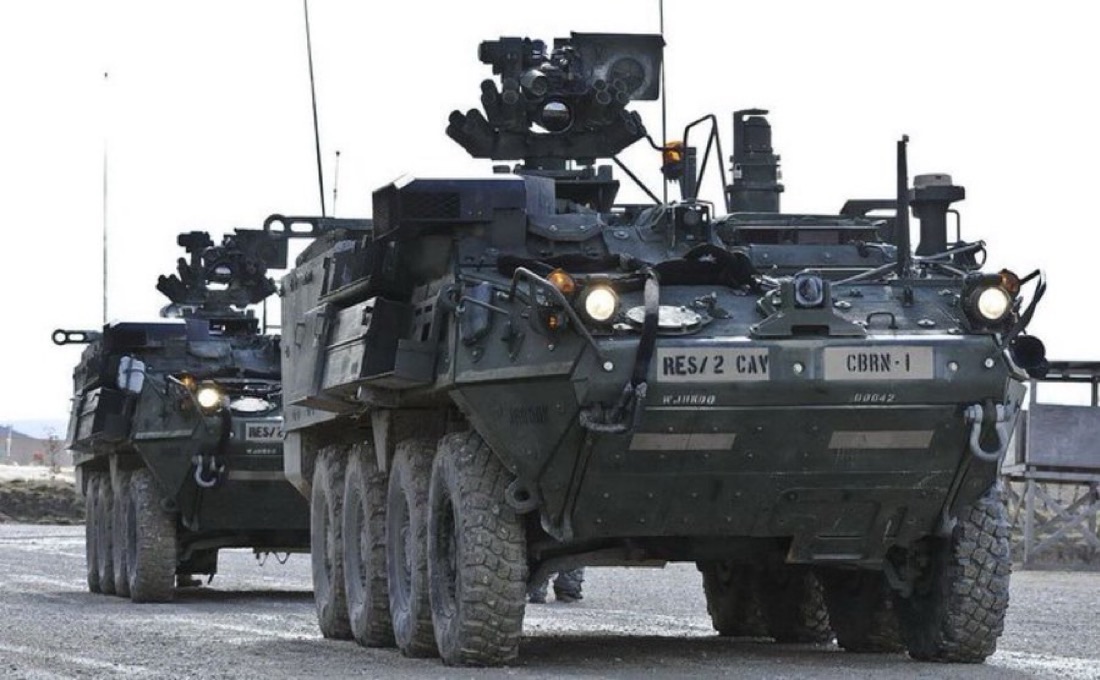
The Polish government is moving to accept a major offer from the United States for the transfer of approximately 250 used Stryker Armored Personnel Carriers (APCs), which would be delivered for a symbolic price of just one dollar. This strategic transfer, confirmed by Polish Deputy Prime Minister and Minister of National Defense Władysław Kosiniak-Kamysz, is intended to rapidly bolster the Polish Army’s mechanized brigades as a crucial measure to compensate for military aid provided to Ukraine and to quickly expand its overall armored fleet.
Bridging the Gap: The Stryker Solution
The Stryker vehicles are not new purchases but are part of a US force reduction on the European continent. Instead of being shipped back to the United States, these APCs—already stationed in Europe—will be transferred to Poland under a proposed plan, tightening US-Polish defense ties on NATO’s eastern flank.
Poland views the acquisition as a necessary short-term solution to plug urgent fleet gaps. Early in the Russia-Ukraine war, Poland donated a significant number of its Soviet-era armored vehicles, including BMP-1 Infantry Fighting Vehicles (IFVs), to Ukraine. The Strykers, known as proven, highly mobile, wheeled armored vehicles, will provide a rapid influx of armored fighting vehicles (AFVs) to the Polish Army, particularly for units like the 18th Mechanized Division, which is already integrating American M1 Abrams tanks.
Costs and Long-Term Modernization Goals
While the transfer is being executed for a ceremonial fee of $1 under the Excess Defense Articles (EDA) program, Poland must shoulder the significant financial burden of refurbishing and modernizing the used vehicles. Each Stryker will require detailed technical inspection to determine its suitability for operations, training, or support missions. Experts caution that the costs associated with repairs, modernization, the establishment of a full support base, and training systems could amount to millions of dollars. Furthermore, the Polish Army will need to harmonize the Strykers’ digital systems to ensure full integration into NATO command networks for data sharing and allied fire coordination.
The Stryker acquisition runs parallel to Poland’s long-term, ambitious domestic military modernization program, which aims to replace its aging post-Soviet fleet. Poland is committed to dramatically increasing its indigenous AFV fleet:
* Rosomak APCs: Poland currently operates over 900 domestically produced Rosomak Armored Personnel Carriers and is working to scale up its production.
* Borsuk IFVs: Poland is in the process of replacing its old BWP-1 IFVs with the new Borsuk Infantry Fighting Vehicle. A framework agreement covers the delivery of up to 1,000 Borsuk vehicles (plus 400 auxiliary variants), with initial contracts securing the delivery of 111 units by 2029. The ultimate goal is to increase the total number of domestically produced AFVs to nearly 3,000, ensuring Poland’s defense autonomy.
The transfer of the Strykers represents a strategic choice by Poland to balance the urgent need for operational readiness against its long-term goals of defense industrial self-sufficiency.