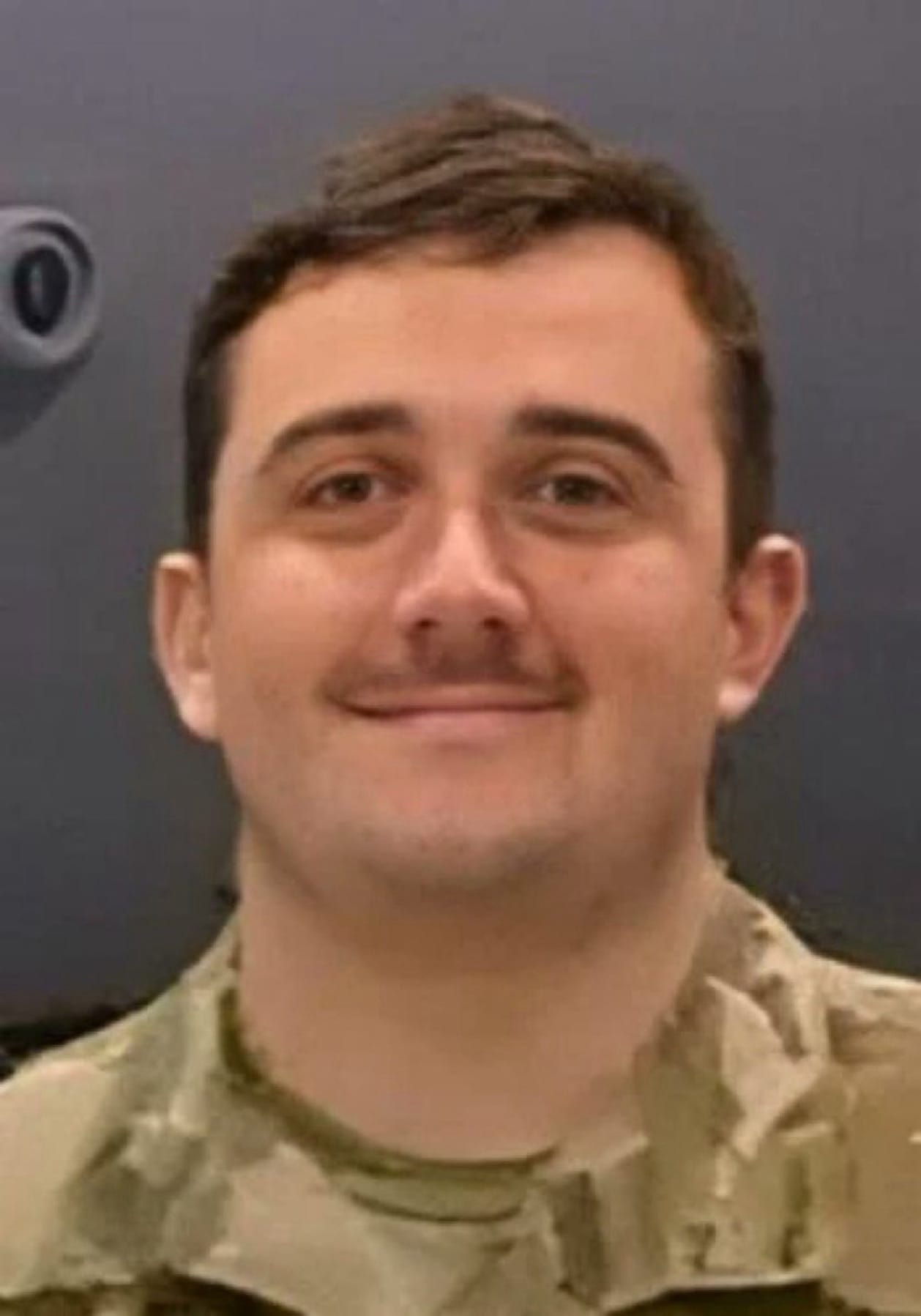
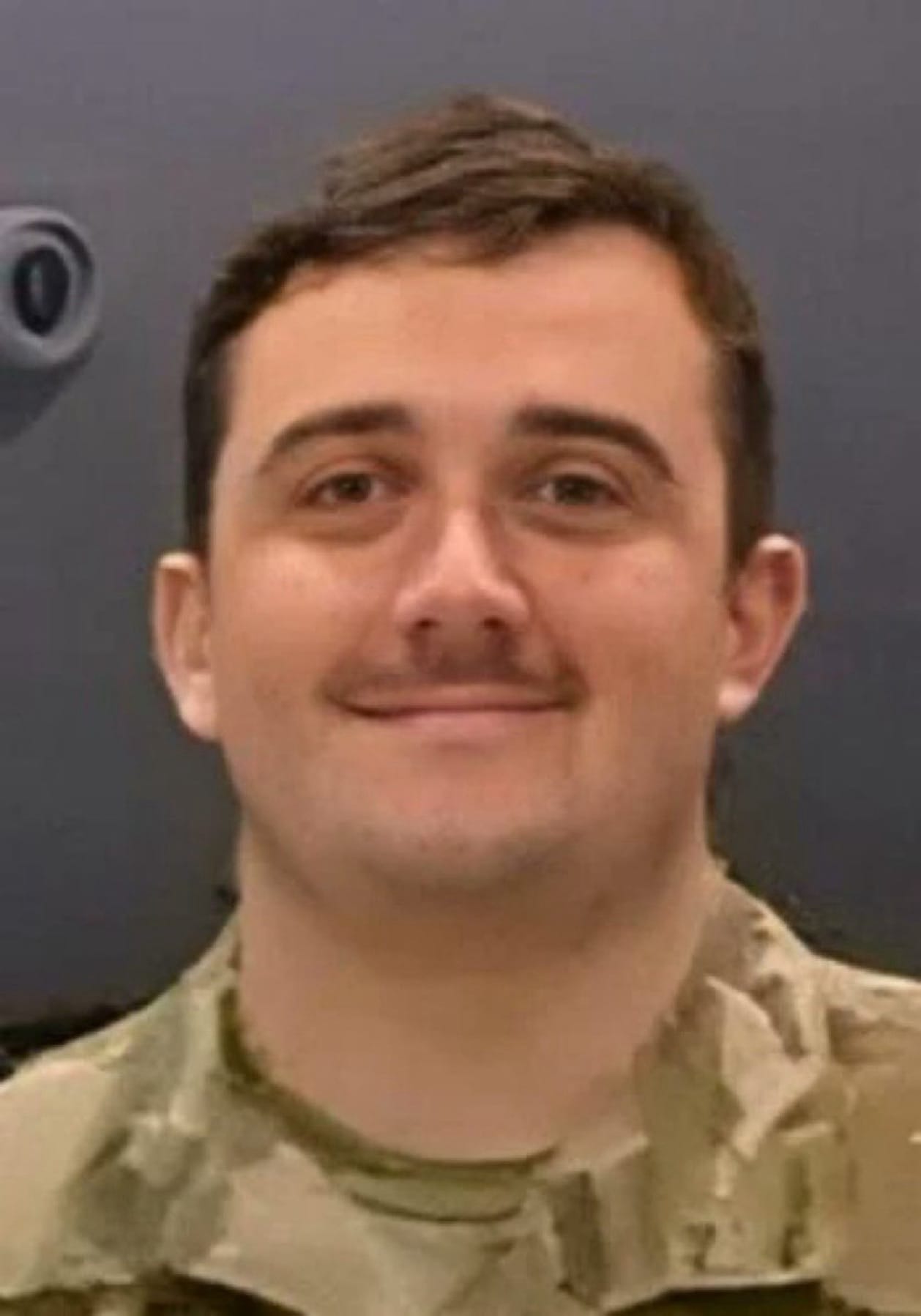
Staff Sergeant Andrew Wolfe, the West Virginia National Guardsman critically wounded in last week’s brazen shooting attack near the White House, has shown encouraging signs of responsiveness, offering a glimmer of hope for his full recovery. While officials emphasize that Wolfe remains in serious, life-threatening condition, West Virginia Governor Patrick Morrisey relayed the positive update on Monday, confirming that the 24-year-old airman is awake and responsive to stimuli following the ambush that tragically killed his colleague, U.S. Army Spc. Sarah Beckstrom.
Positive Response in Critical Condition
The encouraging news was shared by Governor Morrisey, who has visited the Guardsman’s family and the hospital multiple times since the shooting. According to the Governor, nurses caring for Wolfe asked him to give a thumbs-up if he could hear them, to which he responded. Additionally, Wolfe was able to wiggle his toes, a significant neurological indicator of potential recovery. .
However, the Governor cautioned against premature celebration, stressing that Wolfe is still “fighting for his life” in serious condition after undergoing intensive surgery. The positive signs, though small, are being viewed by his medical team and his family as a major step forward after days of critical care. Wolfe’s family, described by President Trump as “highly religious people,” have asked the public to continue praying for his full recovery as he navigates the long and uncertain road ahead.
The Context of the Attack
Staff Sgt. Wolfe and Spc. Beckstrom were deployed with the West Virginia National Guard as part of President Trump’s federal initiative to support policing and security efforts in Washington D.C. They were shot last Wednesday by an Afghan national, Rahmanullah Lakanwal, who has since been charged with first-degree murder and other assault counts. The attack has had immediate, far-reaching policy consequences, prompting the Trump administration to halt all asylum decisions and pause the issuance of visas for people traveling on Afghan passports.
The incident has deeply impacted the West Virginia community, which is now mourning the loss of Beckstrom while holding vigils and sending prayers for Wolfe’s recovery. The ongoing critical care for Wolfe serves as a somber reminder of the high stakes involved in the D.C. security mission and the personal sacrifices made by National Guard members serving in the nation’s capital. The full extent of Wolfe’s long-term prognosis remains unclear, but the newly reported responsiveness offers a vital measure of progress.