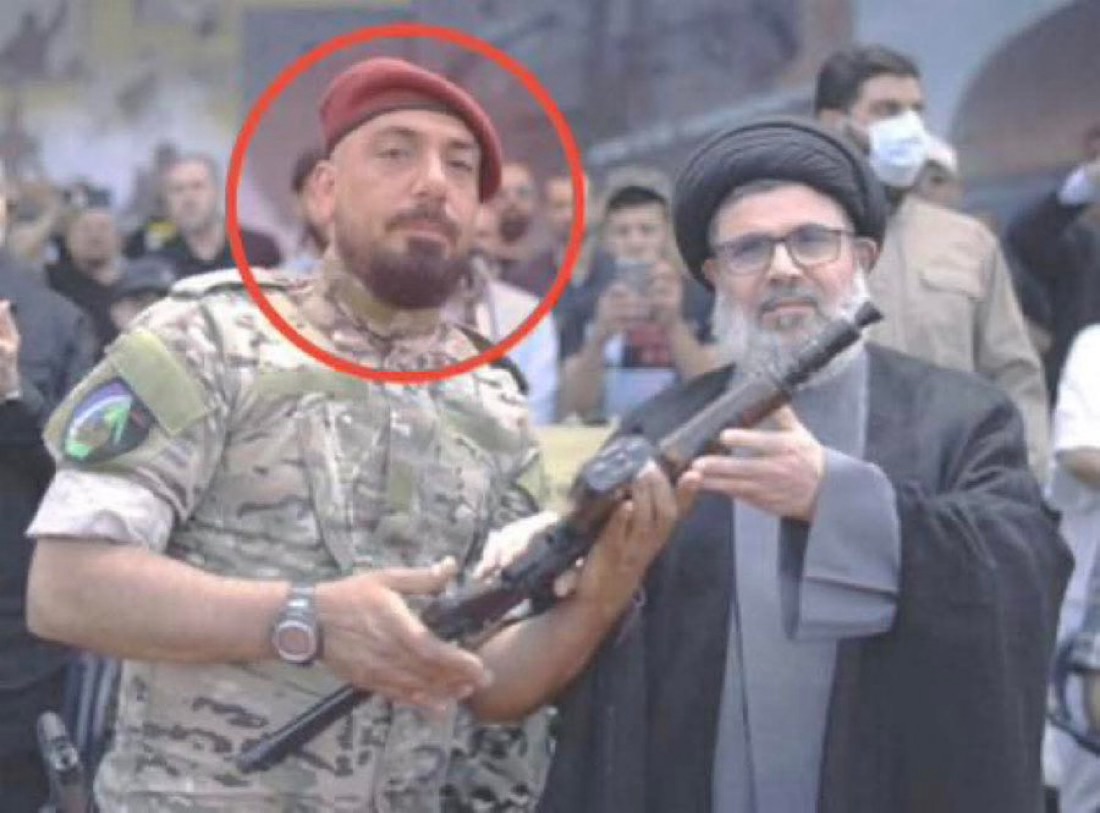

In a decisive and high-stakes operation in the heart of the Lebanese capital, the Israeli military has assassinated Abu Ali Tabtabai, identified as the “Chief of Staff” and second-in-command of Hezbollah. The precision airstrike, carried out on Sunday afternoon in Beirut’s Southern Suburb (Dahiyeh), marks a significant escalation in the conflict, targeting the architect of the group’s military buildup.
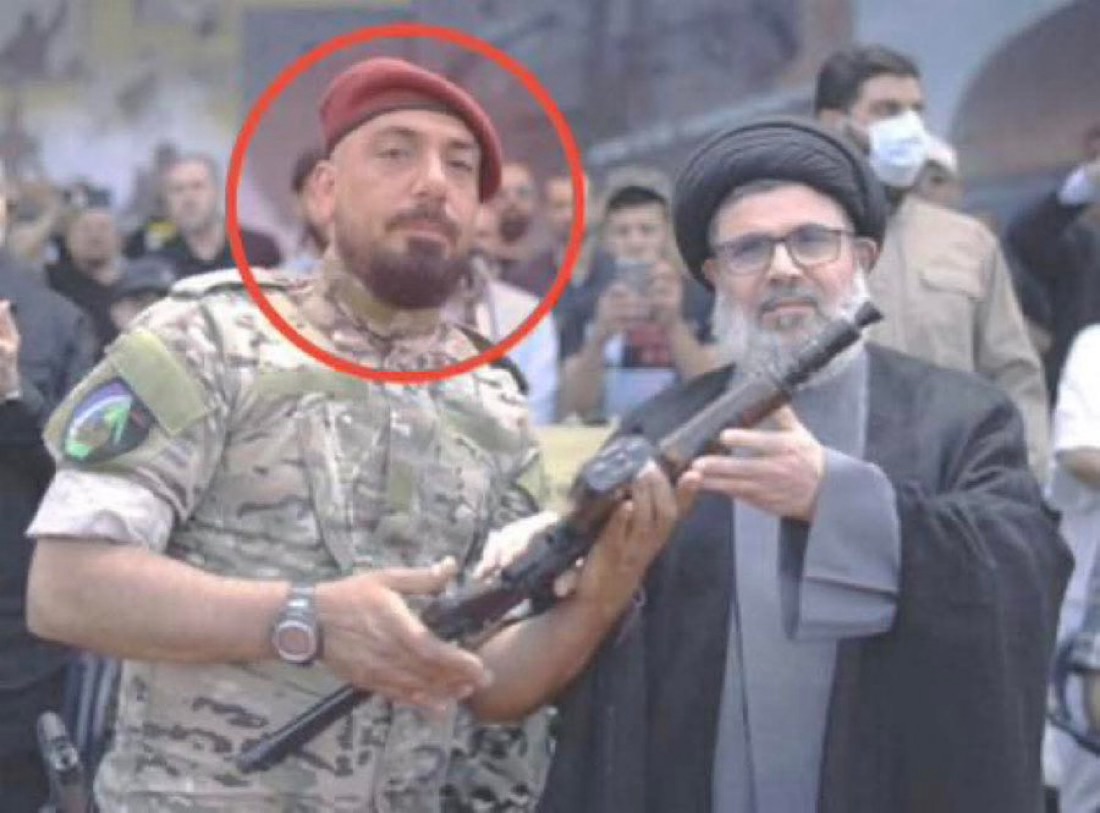
Israeli Army Radio officially confirmed the identity of the target shortly after the strike, describing Tabtabai as the driving force behind the “maximization of the party’s capabilities.” This assessment was backed by a statement from the Office of Prime Minister Benjamin Netanyahu, which declared that the operation was personally approved by Netanyahu following recommendations from the Minister of Defense and the IDF Chief of Staff.
“Israel is determined to act to achieve its goals at any time and in any place,” the Prime Minister’s office stated, signaling a departure from previous rules of engagement that largely treated Beirut as a red line.
The operation has raised immediate questions regarding the role of the United States. According to Israel’s public broadcaster Kan and Yedioth Ahronoth, Israel notified Washington at both the political and military-security levels before launching the attack. This coordination occurred despite previous reports that the U.S. administration had opposed strikes within Beirut to prevent a regional explosion. Yedioth Ahronoth noted that the strike was “coordinated with the United States,” suggesting a shift in American tolerance for high-value targeted killings in the Lebanese capital.
According to Israeli Channel 12, this was the third attempt on Tabtabai’s life during the current war, following two failed efforts. A leadership source within Hezbollah confirmed to Al Jazeera that a senior leader was targeted, while Lebanese medical sources reported multiple casualties at the scene.
Despite the magnitude of the assassination, Israeli media reports indicate that there are currently no changes to instructions from the Home Front Command for residents in northern Israel. This lack of immediate defensive mobilization suggests that the Israeli security establishment is either confident in its deterrence or waiting to gauge the scope of Hezbollah’s inevitable retaliation.
The strike comes against a backdrop of shifting regional dynamics. Just two weeks prior, on November 10, reports emerged of a major diplomatic breakthrough involving the Trump administration and a new Syrian leadership under “President Sharaa,” involving the lifting of sanctions and the integration of the SDF into the Syrian Army. It remains to be seen how the assassination of Hezbollah’s top military commander will impact these broader U.S.-led efforts to reshape the Levant.