

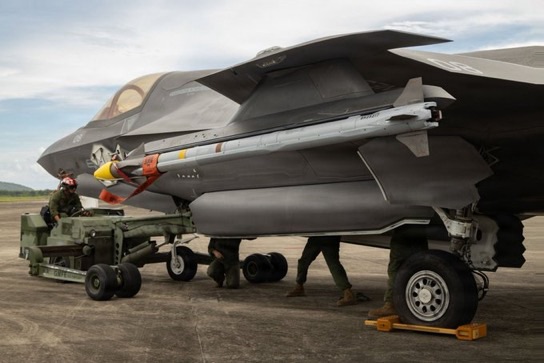
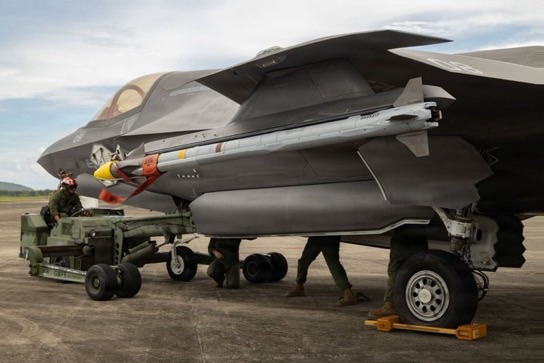
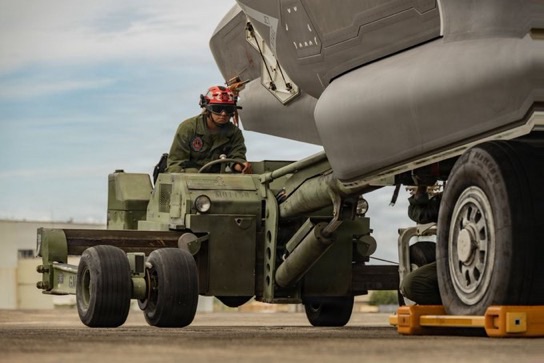
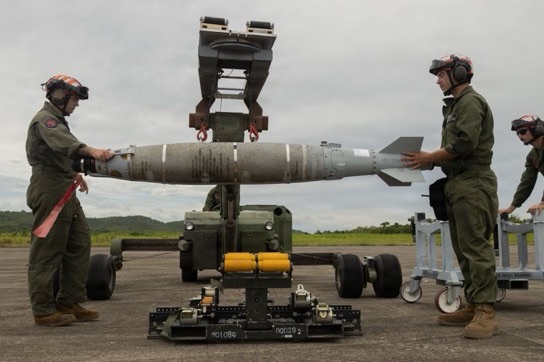
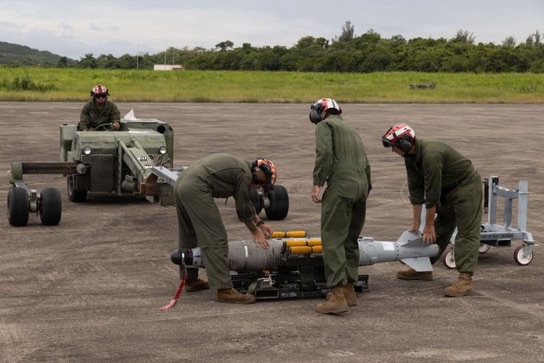
U.S. Marines loaded a GBU-54(V)2/B Laser JDAM into an F-35B Lightning II at Jose Aponte de la Torre Airport, Puerto Rico, on October 16, 2025, signaling escalating combat readiness in the Caribbean. The operation, conducted by Marine Fighter Attack Squadron 225 (VMFA-225) “Vikings,” utilized an A/S32K-1E weapons loader to arm the stealth fighter with the 500-pound precision-guided munition, featuring a BLU-111C/B warhead.
The GBU-54 represents a critical capability enhancement for the F-35B, combining GPS/INS guidance with terminal laser designation for moving targets. Unlike standard JDAMs, the Laser JDAM variant allows pilots to engage maritime vessels, vehicle convoys, and repositioned land targets with surgical accuracy. The 500-pound class weapon delivers devastating blast effects while minimizing collateral damage, making it ideal for counter-narcotics operations and potential strikes against cartel infrastructure.
VMFA-225’s deployment to the reactivated Roosevelt Roads Naval Station began September 13, 2025, as part of a massive U.S. military buildup involving over 10,000 personnel across the Caribbean. The squadron’s F-35Bs have been spotted flying with full combat loads, including AIM-120 AMRAAMs, AIM-9X Sidewinders, and GBU-54s, without radar cross-section enhancers—operating in true stealth configuration. This configuration suggests preparation for potential conflict scenarios beyond routine training.
The strategic timing coincides with heightened tensions between Washington and Caracas. President Trump authorized CIA covert operations inside Venezuela in mid-October, while U.S. Southern Command (SOUTHCOM) maintains the F-35 deployment supports counter-narcotics missions. However, the presence of fifth-generation fighters within 500 miles of Venezuelan territory provides rapid strike capability against land targets, including ports and airstrips allegedly used for drug trafficking.
Technical footage released by SOUTHCOM shows ordnance crews executing textbook loading procedures. Marines wearing protective gear carefully position the GBU-54 beneath the F-35B’s port weapons bay, securing it to the BRU-61/A bomb rack system. The A/S32K-1E weapons loader, a specialized vehicle designed for fifth-generation fighters, provides precise hydraulic lift and alignment capabilities. The entire evolution demonstrates the Marine Corps’ expeditionary competency in austere environments away from main operating bases.
The F-35B’s internal weapons bay configuration preserves stealth characteristics while carrying two GBU-54s, two AMRAAMs, and potential Sidewinders on external hardpoints. This loadout maximizes survivability against Venezuelan Su-30MK2 fighters equipped with R-77 and Kh-31 missiles. The aircraft’s AN/APG-81 AESA radar and distributed aperture system provide unmatched situational awareness for both air-to-air and air-to-ground missions.
Puerto Rico’s geographic position transforms the island into a strategic springboard for operations across the Caribbean basin. The 11,000-foot runway at Jose Aponte de la Torre Airport supports full-spectrum air operations, while the former naval station’s infrastructure enables rapid deployment and sustainment of advanced platforms. For VMFA-225, this deployment validates the Marine Corps’ Agile Combat Employment doctrine, dispersing forces to avoid concentration risk.
The October 16 weapons loading event follows weeks of intensifying rhetoric. Venezuelan President Maduro accused U.S. F-35s of provocative flyovers 75 kilometers off Venezuela’s coast, while U.S. officials remain cryptic about mission specifics. Secretary of War Pete Hegseth announced lethal strikes on narco-terrorist vessels, demonstrating kinetic capability in the region. The GBU-54 loading drill reinforces that ground targets face equal risk.
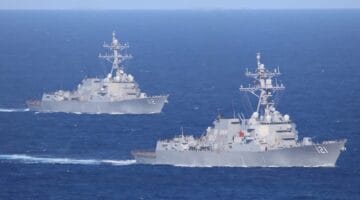
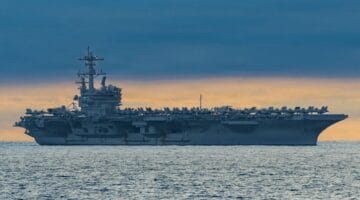
As the USS Gerald R. Ford carrier strike group transits toward the Caribbean, VMFA-225’s F-35Bs provide an independent strike option not reliant on carrier operations. The squadron’s ability to load and employ Laser JDAMs within hours of notification positions them as a rapid-response force for emerging targets. With 54 injured in the Jakarta mosque blast underscoring global terror threats, the U.S. demonstrates proactive deterrence in its own hemisphere.
The Marines’ precision in Puerto Rico sends clear messages: Roosevelt Roads is operational, F-35Bs are combat-loaded, and the GBU-54 is available for immediate employment. Whether for interdicting cartel assets or responding to regional aggression, VMFA-225 stands ready to deliver precision firepower from an island that once hosted Cold War contingencies and now faces 21st-century threats.