


In a decisive and strategic modernization effort, the German Armed Forces (Bundeswehr) are finalizing a landmark €900 million procurement plan for a total of 12,000 loitering munitions. This significant move, often referred to as acquiring “kamikaze drones,” signals a major shift in Germany’s defense posture, directly integrating lessons learned from contemporary conflicts, particularly the war in Ukraine.
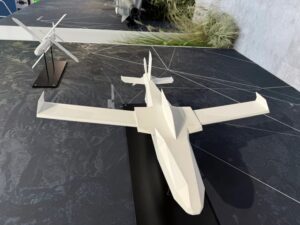
The massive contract is set to be divided equally, with three €300 million tranches awarded to three distinct German defense firms: Stark (a brand of Quantum Systems), Helsing, and the established defense conglomerate Rheinmetall. This procurement is not merely an equipment upgrade; it represents the introduction of a critical new capability for the Bundeswehr.
The first recipient of these advanced weapon systems will be the newly established 45th Armoured Brigade (Panzerbrigade 45), Germany’s “Lithuania Brigade.” This unit, permanently stationed in Lithuania, forms the spearhead of NATO’s enhanced deterrence on its vulnerable eastern flank. The introduction of 12,000 loitering munitions will provide this heavy mechanized brigade with its own organic, precision-strike capability, drastically increasing its lethality and operational autonomy.
A Strategic Pivot Driven by Modern Warfare
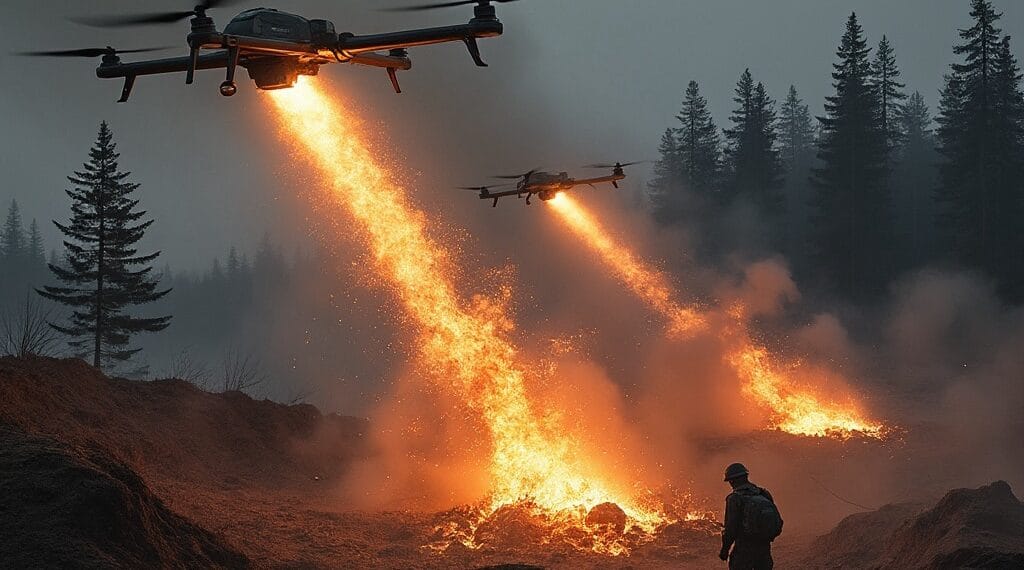
The decision to invest heavily in loitering munitions stems from clear battlefield evidence. The widespread and effective use of such systems in Ukraine by both sides has fundamentally altered the calculus of modern ground warfare. These munitions, which combine the surveillance capabilities of a drone with the precision strike of a guided missile, offer a cost-effective solution for engaging high-value targets, including armored vehicles, command posts, and air defense systems.
For the Bundeswehr, this procurement fills a significant capability gap. Until now, German forces lacked this class of weapon. The move aligns with Germany’s broader “Zeitenwende” (turning point) policy, a strategic realignment of its defense and security spending in response to new geopolitical realities in Europe.
By stationing these assets with the 45th Armoured Brigade in Lithuania, Berlin is sending an unambiguous message of commitment to NATO’s collective defense. The brigade is positioned in a region of critical strategic importance, near the Suwałki Gap, a narrow land corridor connecting Poland to the Baltic states. Providing this frontline unit with thousands of precision-strike drones equips it to deter and, if necessary, counter potential aggression with overwhelming, responsive firepower.
The Three Contenders: Innovation Meets Industry
The selection of three separate companies fosters competition and leverages the unique strengths of Germany’s defense industrial base, from agile startups to established giants.
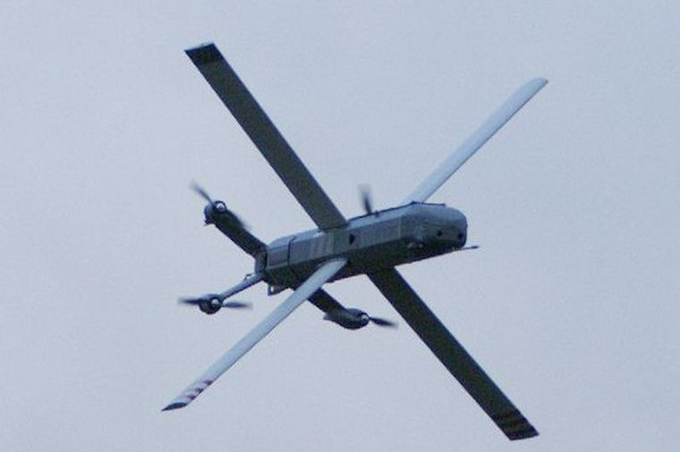
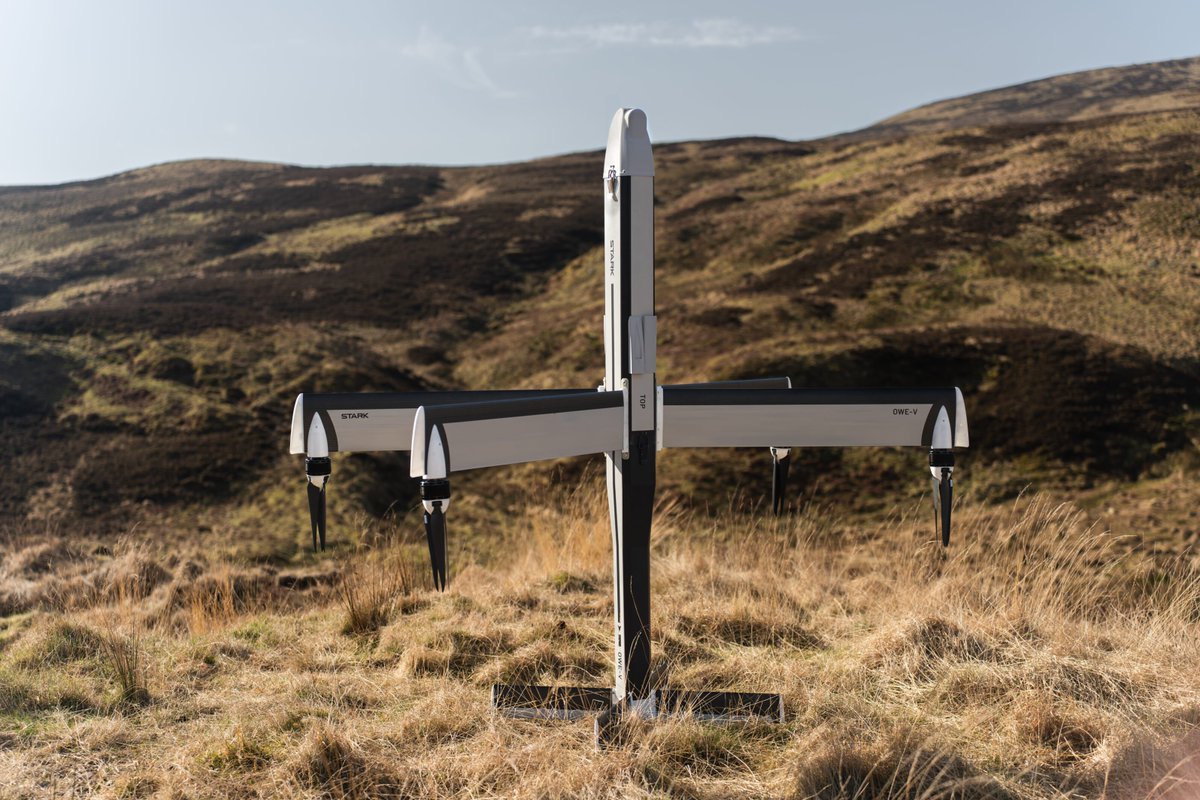
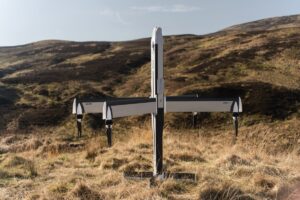
Stark (Quantum Systems) – Virtus UAV: Stark Defence, which operates under Quantum Systems, brings its advanced Virtus drone to the table. The Virtus is a Vertical Take-Off and Landing (VTOL) system, designated as a One Way Effector (OWE-V). This feature allows it to be launched and recovered without a runway, making it ideal for forward-deployed units. The Virtus is AI-powered, boasts an endurance of up to 60 minutes, a 100-kilometer range, and can carry a 5kg modular payload. Crucially, it features a “Return-and-Land” function, allowing it to be recovered if no target is engaged, preventing the waste of a valuable asset. Its design has been heavily informed by feedback from the Ukrainian military, where its sibling, the Vector reconnaissance drone, is already in service.
Helsing – HX-2 UAV: Helsing represents Europe’s new guard of defense technology. As one of the continent’s most valuable defense AI startups, Helsing focuses on developing software-defined capabilities. While fewer public details are available on its HX-2 UAV, the company’s inclusion underscores the Bundeswehr’s focus on integrating cutting-edge artificial intelligence and sensor fusion into its new systems. Helsing’s expertise lies in processing data from multiple sensors to create a unified operational picture, enabling faster and more accurate targeting—a critical component of effective “sensor-to-shooter” loops.
Rheinmetall – FV-104 UAV: As one of Europe’s largest defense contractors, Rheinmetall’s participation solidifies the program’s industrial scale. The company is offering its FV-104 UAV for this contract. This entry is distinct from the well-known HERO series of loitering munitions that Rheinmetall produces in partnership with Israel’s UVision. The development of the FV-104 demonstrates Rheinmetall’s broadening portfolio in uncrewed aerial systems and its ability to rapidly develop new solutions to meet urgent Bundeswehr requirements, ensuring a robust and scalable production pipeline.
An Innovative Procurement Model for an Evolving Battlefield
Perhaps the most revolutionary aspect of this deal is its procurement model. Learning directly from the rapid innovation cycles seen in Ukraine—where drone technology evolves in weeks, not years—the Bundeswehr is adopting a new approach.
Instead of taking direct delivery of all 12,000 units, a significant portion of the drones will initially remain with the manufacturers. This “capability-as-a-service” model ensures that the systems will receive constant software and hardware updates from the companies. This iterative process allows the Bundeswehr to avoid the common pitfall of military hardware becoming obsolete by the time it is fielded. The drones deployed in Lithuania will be at the cutting edge of technology, continuously improved based on the latest battlefield data and technological advancements.
This agile approach ensures the 45th Armoured Brigade will not just be well-equipped upon arrival, but will remain a superior fighting force capable of adapting to emerging threats faster than a potential adversary.
This €900 million investment is therefore more than a simple purchase. It is a fundamental modernization of German defense policy, embracing AI-driven warfare, fostering domestic innovation, and equipping its most critical frontline unit with the tools needed to guarantee the security of NATO’s eastern flank.