


As the framework for a historic ceasefire deal solidifies, critical and contentious details are emerging about the long-term security arrangements for the Gaza Strip. According to sources familiar with the U.S.-brokered plan, Israel is set to retain security control over approximately 58% of the territory, establishing a significant and lasting military buffer zone that is larger than the area it held prior to its 2005 disengagement.
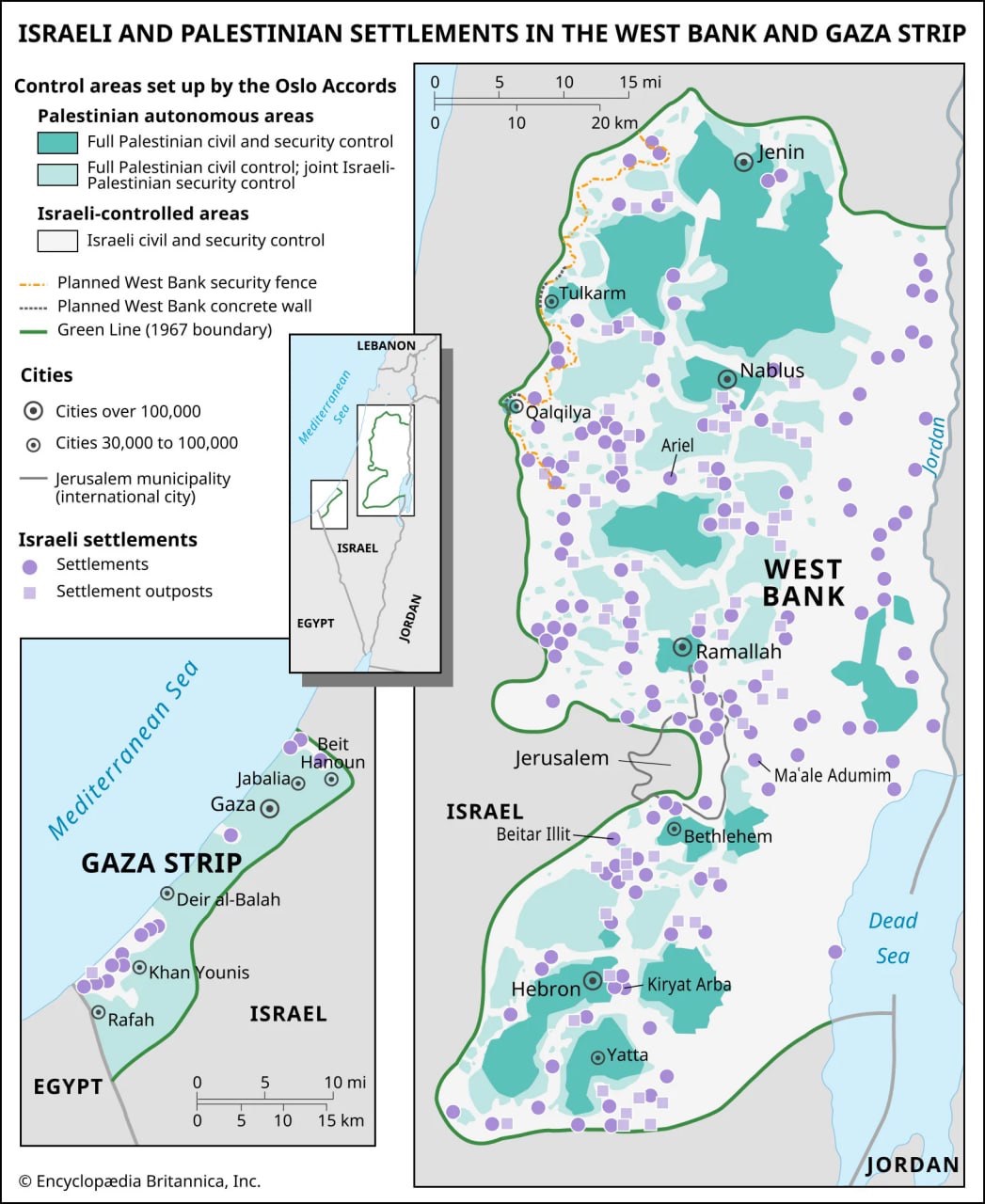
The proposed security map represents a new reality for Gaza, fundamentally reshaping its geography and administration. The areas that would remain under Israeli security control are of high strategic importance and include the northern town of Beit Hanoun, significant portions of Gaza City, the southern city of Khan Younis, and nearly the entirety of Rafah, which runs along the sensitive border with Egypt.


This arrangement is reportedly Israel’s non-negotiable condition for agreeing to a ceasefire and the withdrawal of the bulk of its combat forces from population centers. The retained zones would effectively serve as a massive security buffer, designed to prevent Hamas or any other militant group from re-establishing a presence near the Israeli border.
This plan formalizes the “buffer zone” that the IDF has already carved out during its ground offensive, turning a temporary military reality into a long-term strategic one. The decision to retain control over a larger portion of land than before the 2005 withdrawal underscores a complete reversal of Israel’s previous disengagement policy, reflecting a new security doctrine that prioritizes a direct, on-the-ground military presence.
The arrangement presents a complex challenge for the other components of the peace plan. While the proposal calls for an independent Palestinian technocratic body to handle the civil administration of Gaza, its authority will be limited to the areas outside of Israeli security control. Furthermore, the planned international and Arab security force would likely operate only within the Palestinian-administered zones, creating a divided and potentially tense landscape.
While Hamas has agreed to hand over civil administration, it has not agreed to Israel’s long-term security presence in these areas. This issue is expected to be a major point of friction in the detailed negotiations that are set to begin. For Palestinians in Gaza, the deal, while stopping the devastating war, would also formalize a significant loss of territory and freedom of movement within the strip, entrenching a new form of Israeli control.