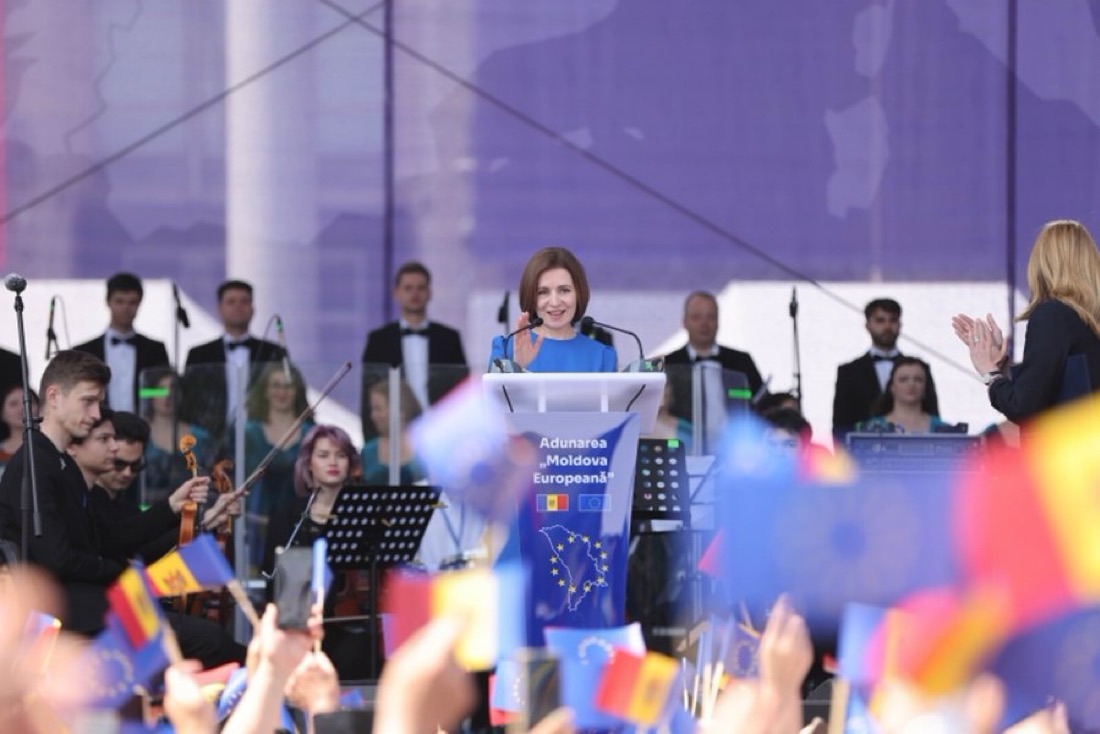

Moldova appears poised to solidify its pro-European trajectory as preliminary results from Sunday’s crucial parliamentary election show the ruling Party of Action and Solidarity (PAS) holding a commanding lead over its pro-Russian rivals. With 90% of the votes now counted, the nation faces a pivotal moment that will likely determine its foreign policy direction for years to come.
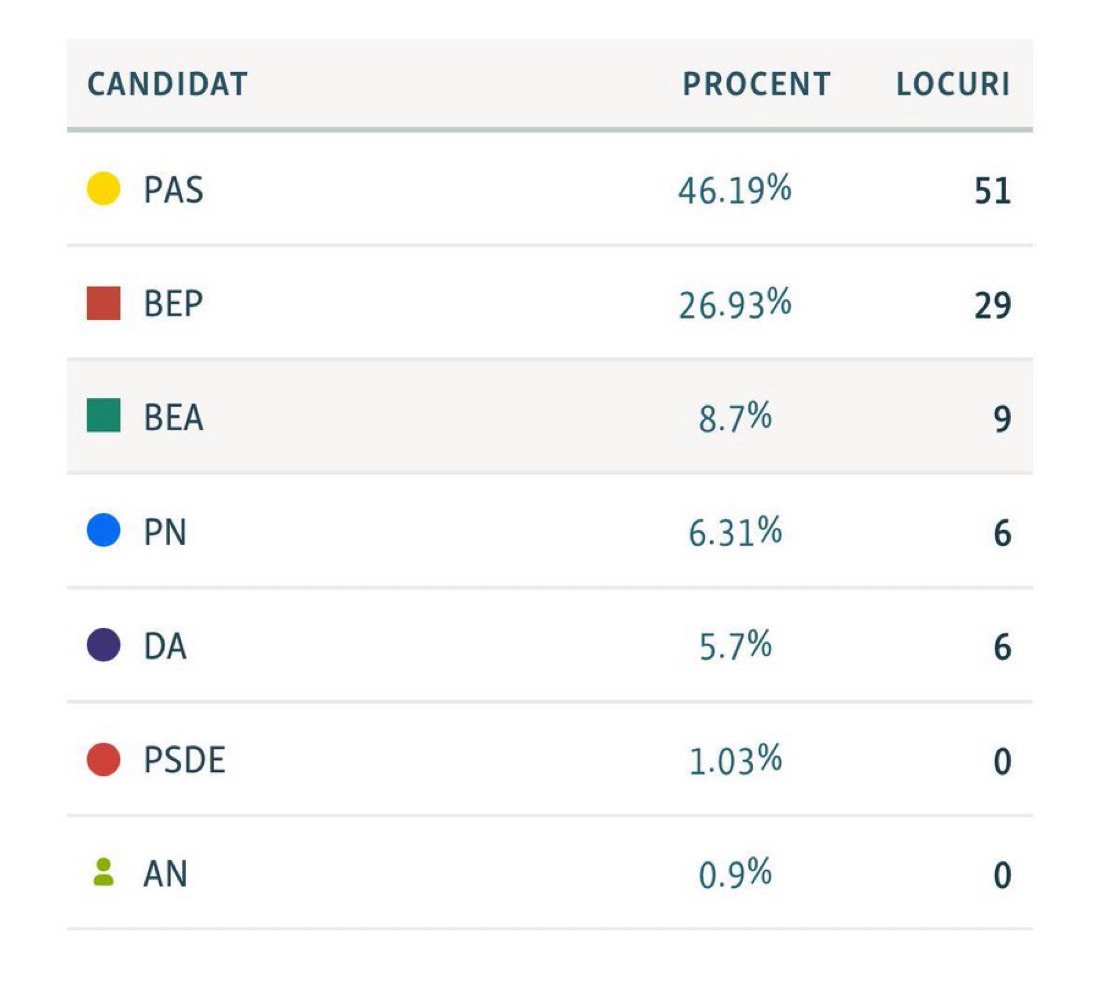
According to the latest figures from Moldova’s Central Electoral Commission, the pro-EU PAS, led by President Maia Sandu, has secured 45.7% of the vote. In contrast, the pro-Russia “Patriotic Bloc,” a coalition of socialist and communist parties, is trailing significantly at 27.2%, with its support appearing to wane as more ballots are tallied.
The election has been widely framed as a referendum on Moldova’s future. For the past several years, the small Eastern European nation, wedged between Romania and Ukraine, has been caught in a geopolitical tug-of-war between the West and Russia. The PAS party has championed a platform of deeper integration with the European Union, anti-corruption reforms, and a firm stance against Russian influence.
Conversely, the Patriotic Bloc has advocated for closer economic and political ties with Moscow, appealing to a segment of the population nostalgic for the Soviet era and wary of abandoning traditional relationships.
A decisive victory for PAS would be interpreted as a strong public mandate for President Sandu’s agenda to accelerate Moldova’s path toward EU membership. The country, which received EU candidate status in 2022 alongside Ukraine, sees integration with the bloc as its best hope for economic prosperity, democratic stability, and security, particularly given the ongoing war in its neighboring country.
The preliminary results suggest that PAS is on track to win an outright majority in the 101-seat parliament, which would give them the power to form a government without needing a coalition partner and to push through their legislative agenda.
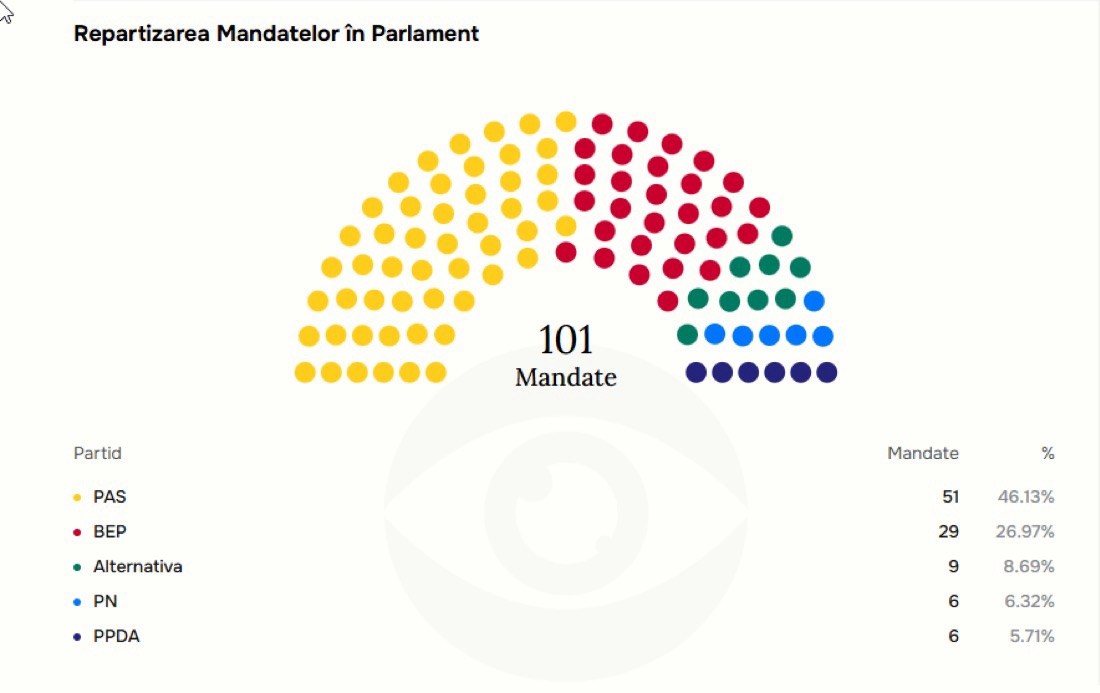
The campaign was fiercely contested, with accusations of disinformation and foreign interference marring the lead-up to the vote. The pro-Russian bloc has consistently criticized the government’s pivot to the West, blaming it for economic hardships and rising energy prices. However, it appears a majority of Moldovan voters have opted for the vision of a European future presented by PAS.
As the final votes are counted, particularly from the large diaspora community which tends to vote heavily in favor of pro-EU parties, the lead for PAS is expected to hold or even expand. The result is a clear, albeit not unanimous, choice by Moldovans to look west.