



The wave of mysterious drone activity plaguing the Nordic countries has now spread to Sweden, with multiple unidentified drones spotted over the nation’s main naval base in Karlskrona. The incident, which occurred late Friday night, has triggered a high-level security alert and amplified fears of a coordinated “hybrid warfare” campaign targeting critical infrastructure across the Baltic Sea region.
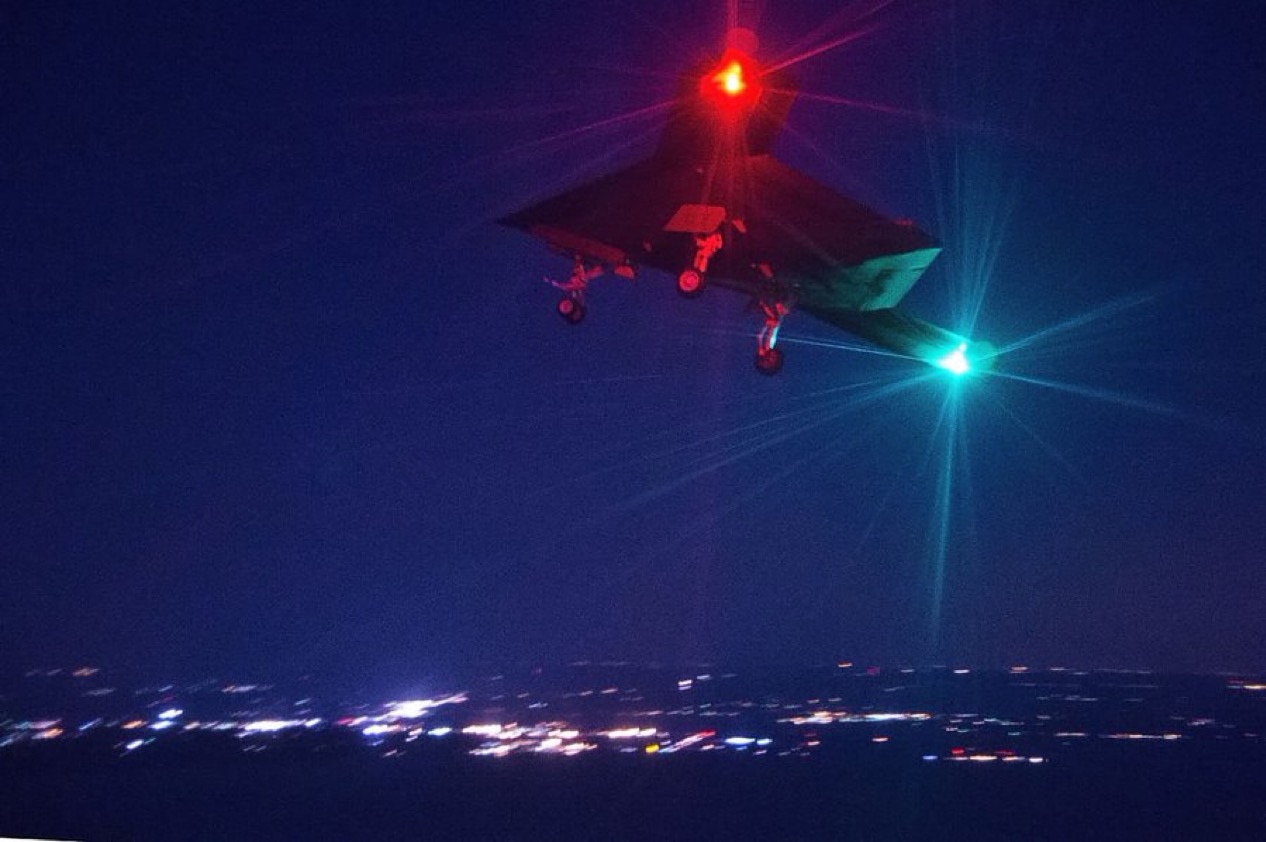
According to reports from local residents and confirmed by Swedish authorities, several drones were observed flying over the Karlskrona archipelago, in close proximity to the highly sensitive naval headquarters. The Swedish Armed Forces (Försvarsmakten) were alerted, and attempts were reportedly made to neutralize the unmanned aerial vehicles. A spokesperson confirmed the incident, stating that “efforts to bring down the drones were unsuccessful” and that the objects eventually disappeared.
The location of the sighting is of immense strategic importance. Karlskrona is the historic heart of the Swedish Navy and serves as its primary operational base. It is home to key surface warships, submarines, and the navy’s main command and control centers. From this port, Sweden—now a full-fledged NATO member—monitors all maritime activity in the strategically vital Baltic Sea.
The appearance of unidentified and seemingly sophisticated drones over such a critical military installation is being treated with the utmost seriousness. Officials are working under the assumption that the incursion was a deliberate act of espionage or a probing of Sweden’s air defense capabilities. The drones could have been gathering intelligence on naval assets, mapping the base’s layout and defenses, or simply testing the readiness and response time of the Swedish military.
This incident does not come in isolation. It follows a week of intense disruption in neighboring Denmark, where a series of coordinated drone incursions shut down multiple airports and targeted military sites. Danish leaders, including Prime Minister Mette Frederiksen, have explicitly labeled those events as a “hybrid war” unfolding on their soil, with suspicion heavily pointing towards a state actor like Russia.
The similarities between the incidents in Denmark and the sighting over Karlskrona suggest a potential link and a broader, systematic campaign to destabilize the region. Hybrid tactics are designed to create fear, cause disruption, and test the resilience of an adversary without resorting to conventional military force. By targeting key infrastructure—from civilian airports to top-tier naval bases—the perpetrator sends a clear message of capability and intent.
As the Swedish military and police launch a full investigation, the incident serves as a stark wake-up call for the newest member of the NATO alliance. The Baltic Sea has become a frontline of strategic competition, and the skies above it are now an active theater for covert surveillance and intimidation.