


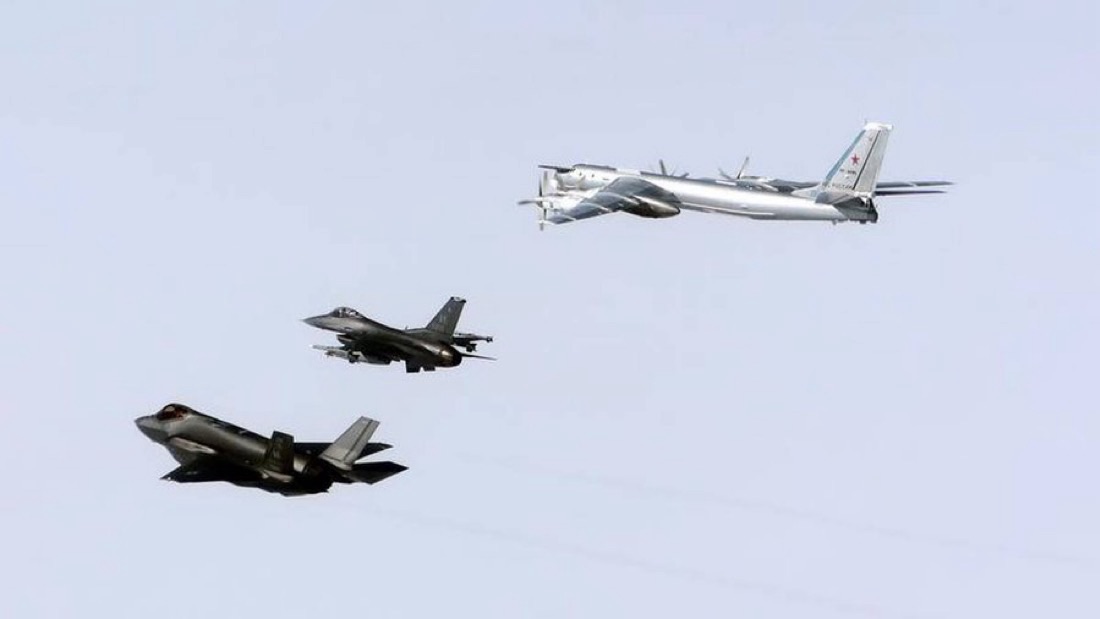
The North American Aerospace Defense Command (NORAD) has confirmed that it intercepted a formation of four Russian military aircraft—two Tu-95 long-range strategic bombers and two Su-35 fighter jets—operating in the Alaskan Air Defense Identification Zone (ADIZ) on September 24. The U.S. responded with a rapid deployment of military assets, including F-16 fighter jets, an E-3 Sentry early warning and control aircraft, and KC-135 aerial refueling tankers, to “positively identify and intercept” the Russian planes.
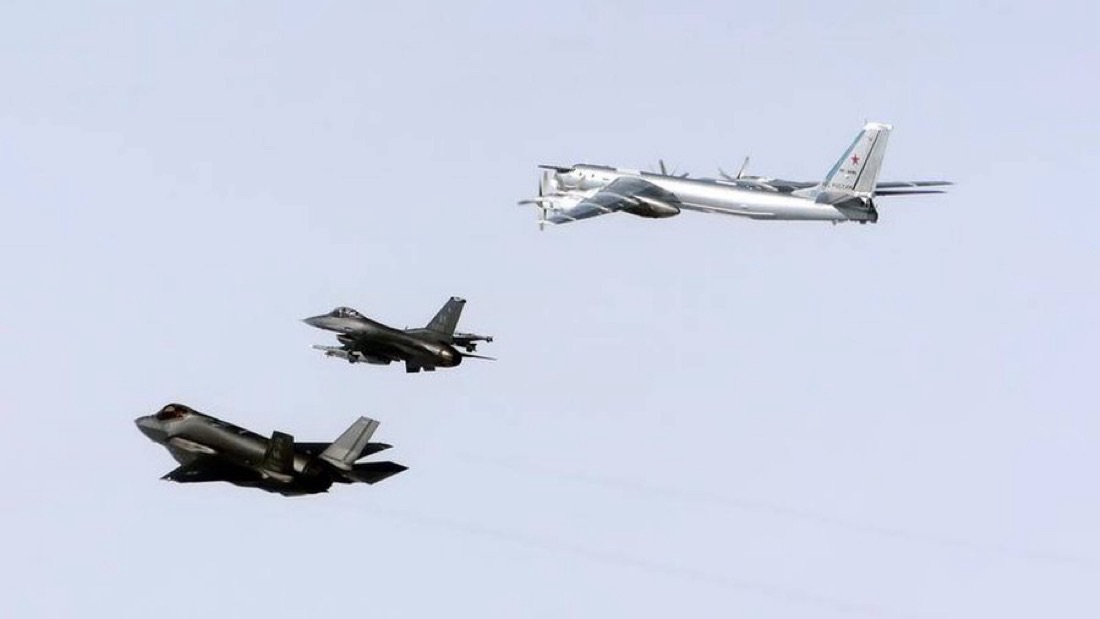
NORAD has stressed that the Russian aircraft remained in international airspace and did not enter American or Canadian sovereign airspace. Furthermore, the joint U.S.-Canadian command labeled the activity as “routine” and stated that it is “not seen as a threat.” This type of Russian military activity in the Alaskan ADIZ occurs regularly, with NORAD employing a layered defense network of satellites, radar, and fighter aircraft to detect and track aircraft in the region. The ADIZ itself is a defined stretch of international airspace that extends beyond a country’s sovereign airspace (typically 12 nautical miles from the coast) where the ready identification of all aircraft is required in the interest of national security.
However, the intercept comes at a time of exceptionally high tensions between Russia and NATO, which makes the frequency and nature of the incursions a major point of political and military focus. The incident follows a series of recent provocations in Europe, including Russian military aircraft violating Estonian airspace and drone incursions that forced the closure of airports in Norway and Denmark. These events have prompted calls from European leaders for a stronger, even “retaliatory,” response from the alliance, with U.S. President Donald Trump publicly stating that NATO should shoot down Russian aircraft that violate their airspace.
The Tu-95 “Bear” strategic bombers are a highly visible symbol of Russian military capability, and their escort by advanced Su-35 fighter jets highlights the seriousness of the mission. While NORAD maintains that the flights are routine, such deployments are often viewed as a form of “strategic messaging” by Moscow, intended to test the readiness of Western air defenses and signal its military reach amid the ongoing conflict in Ukraine. Wednesday’s intercept is the first reported instance of Russian aircraft in the Alaskan ADIZ since late August, marking the ninth such incident this year.
The response by NORAD, involving a full array of surveillance, fighter, and refueling aircraft, demonstrates the readiness of the U.S. and Canada to defend their sovereign airspace. The deployment of the E-3 Sentry, a sophisticated command-and-control platform, ensures comprehensive oversight of the Russian activity. Despite NORAD’s official classification of the incident as routine, the timing and the composition of the Russian formation ensure that the event will be interpreted as part of the broader pattern of military posturing between Russia and the West.