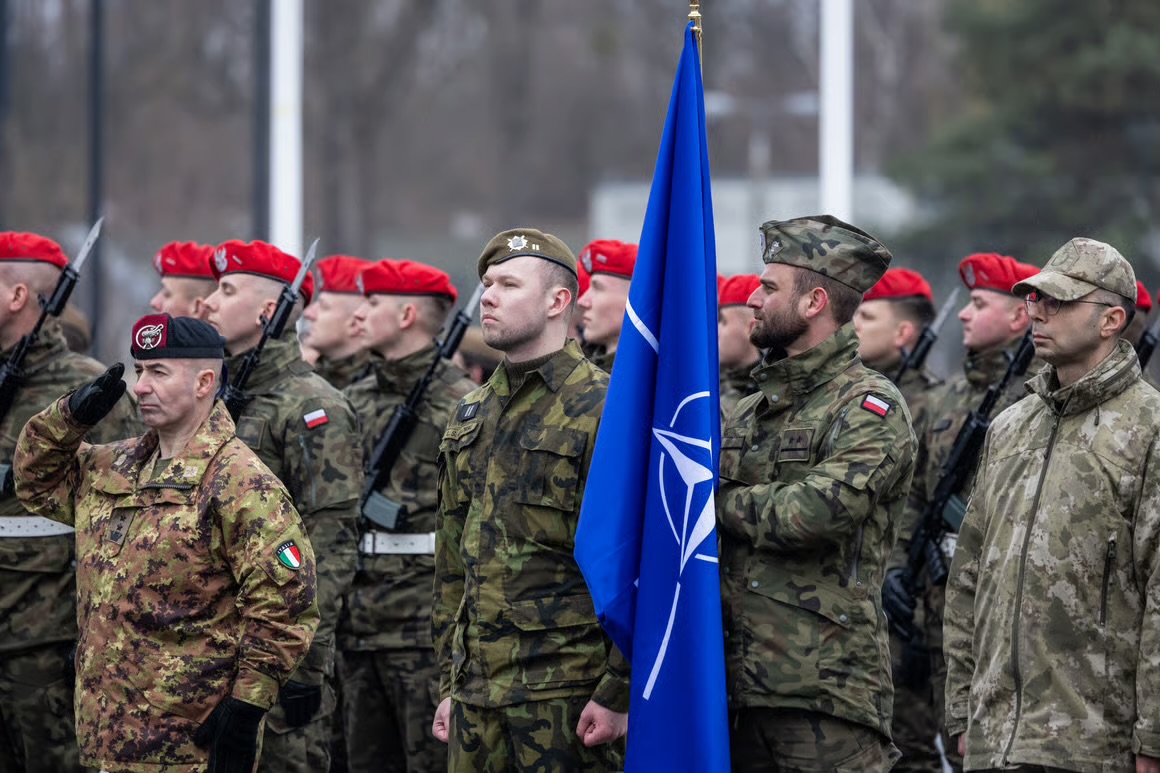

Polish Deputy Prime Minister and Foreign Minister Radosław Sikorski has delivered a powerful warning to Russia, declaring that any Russian missile or aircraft that enters NATO airspace without authorization will be shot down. In a stark and unyielding message, he added that if the wreckage from such an incident falls on NATO territory, Russia should not “come here to whine about it.” Sikorski’s statement, made at a UN Security Council meeting, reflects a firm and resolute stance by Poland and its allies in the face of escalating tensions with Moscow.

The warning comes on the heels of several recent incidents of Russian drones and aircraft violating the airspace of NATO member states, including Poland and Estonia. These incursions have been described by officials as deliberate “tests” of the alliance’s readiness and resolve. Following a recent incident where at least 19 Russian-manufactured drones violated Polish airspace, Poland activated NATO’s Article 4, which allows for consultations among allies when a member’s security is threatened. This move and the subsequent launch of “Operation Eastern Sentry,” a new NATO deterrence operation, underscore the seriousness with which these provocations are being treated.
Sikorski’s comments are a direct response to a pattern of what he and other officials view as Russian aggression and “reckless behavior.” He accused Moscow of “insane nationalism” and a “lust for domination,” urging the Kremlin to abandon its “criminal, neocolonial and imperial ambitions.” His rhetoric is a clear signal that the time for cautious diplomacy may be nearing its end, and that NATO is prepared to take decisive action to protect its borders and its members.
The statement is significant not only for its strong language but also for its broader context. It aligns with recent comments from Polish Prime Minister Donald Tusk, who also said that Poland would not hesitate to shoot down objects posing a clear threat. However, Tusk also cautioned that such decisions must be made with the full support of NATO allies. Sikorski’s address at the UN, a forum for global diplomacy, gives this warning a powerful international platform and makes it a matter of record for the entire world.
The situation remains highly volatile. While Russia has denied any deliberate incursions, the repeated nature of these incidents has led NATO to strengthen its defenses on the eastern flank. The message from Warsaw is clear: the alliance is not at war, but it will not be intimidated, and it will not tolerate violations of its sovereignty. The world is watching to see whether Russia will heed this warning or continue a course that could lead to a far more serious escalation.