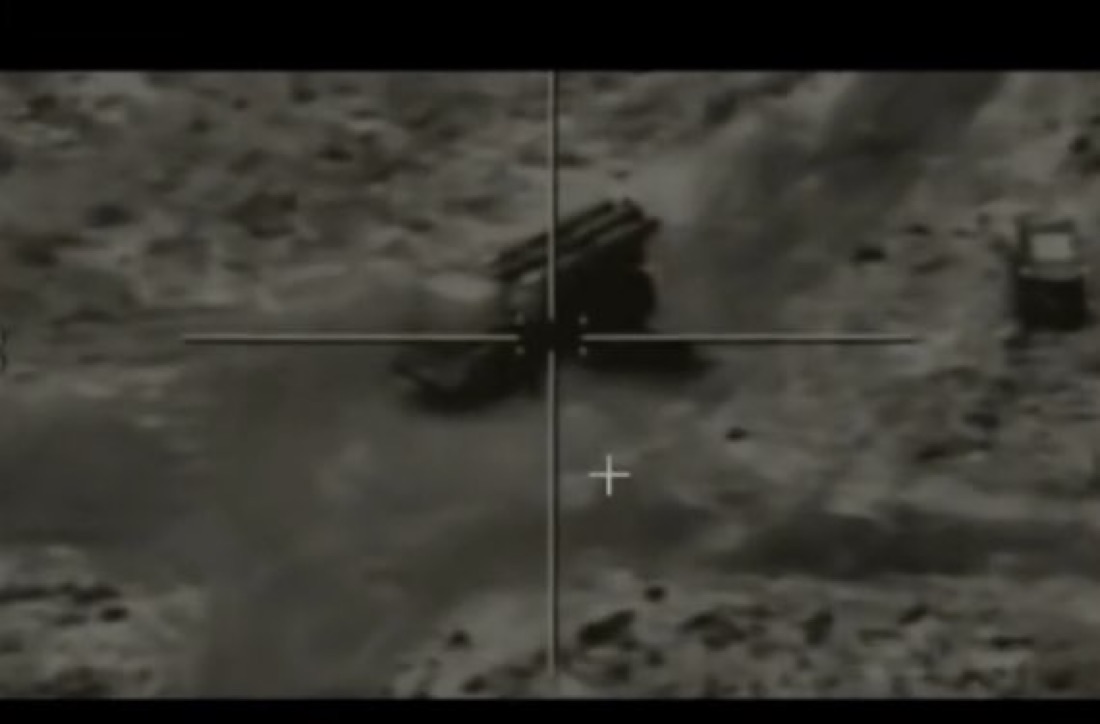
A new report has revealed that Israel’s intelligence agency, the Mossad, deployed more than 100 foreign agents inside Iran at the start of the “June War” in what is being described as the largest-ever operation of its kind. The highly trained agents, who were not Israeli nationals, were tasked with destroying a significant portion of Iran’s missile launchers and air defense systems in a complex and daring mission that laid the groundwork for Israel’s preemptive strike.
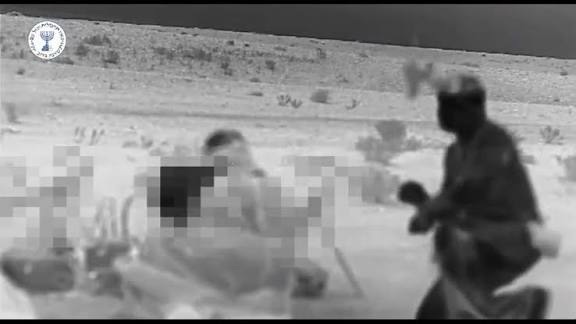
According to a report by The Times of Israel, the agents had been highly trained to use sophisticated missile systems covertly smuggled into Iran. Deployed deep inside the country, these operatives were activated on command to strike Iran’s ballistic missile launchers and anti-aircraft missile sites. The mission was conducted in parallel with Israel’s Operation Rising Lion, a large-scale air and missile strike campaign designed to neutralize Iran’s retaliatory capabilities.

The Mossad operation was reportedly part of a three-layered attack strategy that included not only foreign operatives with missile systems, but also the deployment of explosive drones and disguised vehicles targeting Iranian air defense installations. A senior Israeli security official, speaking to Fox News, said the Mossad coordinated a “huge number of people — a mass of agents deep inside Iran, operating at the highest level of penetration imaginable.” Some of these operatives were reportedly Iranian dissidents recruited by the Mossad, retrained as commando fighters to execute mission-critical operations. Analysts now describe the mission as one of the most successful intelligence-military integrations in Israel’s history.
The significance of the operation has been underscored by subsequent developments inside Iran. In recent months, Iran has announced the execution of several alleged Mossad spies, claiming to have dismantled parts of foreign intelligence networks operating in the country. According to Kurdistan24, Iran’s intelligence services in late July arrested dozens of individuals accused of being Mossad “operational and support agents” across several provinces, including one man identified as Babak Shahbazi. These arrests are widely seen as retaliatory measures and highlight the extreme dangers faced by foreign operatives working inside Iran.
Despite the Mossad’s preemptive successes, Israel was not able to eliminate Iran’s retaliatory threat entirely. During the 12-day conflict, Iran launched more than 550 ballistic missiles and 1,000 suicide drones against Israel. Many were intercepted by Israel’s multi-layered defense system in coordination with U.S. forces, but not without causing damage and casualties. Still, the operation’s impact was evident: according to analysis by the Jewish Institute for National Security of America (JINSA), Iran’s stockpile of operational missile launchers fell dramatically during the conflict — from approximately 350 down to around 100 by its conclusion.
By crippling Iran’s missile and air defense infrastructure early on, the Mossad’s unprecedented operation significantly limited the scale of destruction that Iran could inflict. Military analysts argue that the preemptive strikes, supported by the Mossad’s ground operation, were decisive in shaping the trajectory of the war and preventing a far more devastating outcome for Israel.
The Mossad mission inside Iran, executed with foreign agents, smuggled weapons, and coordinated precision strikes, will likely be remembered as a landmark in the history of covert warfare and modern intelligence operations.