

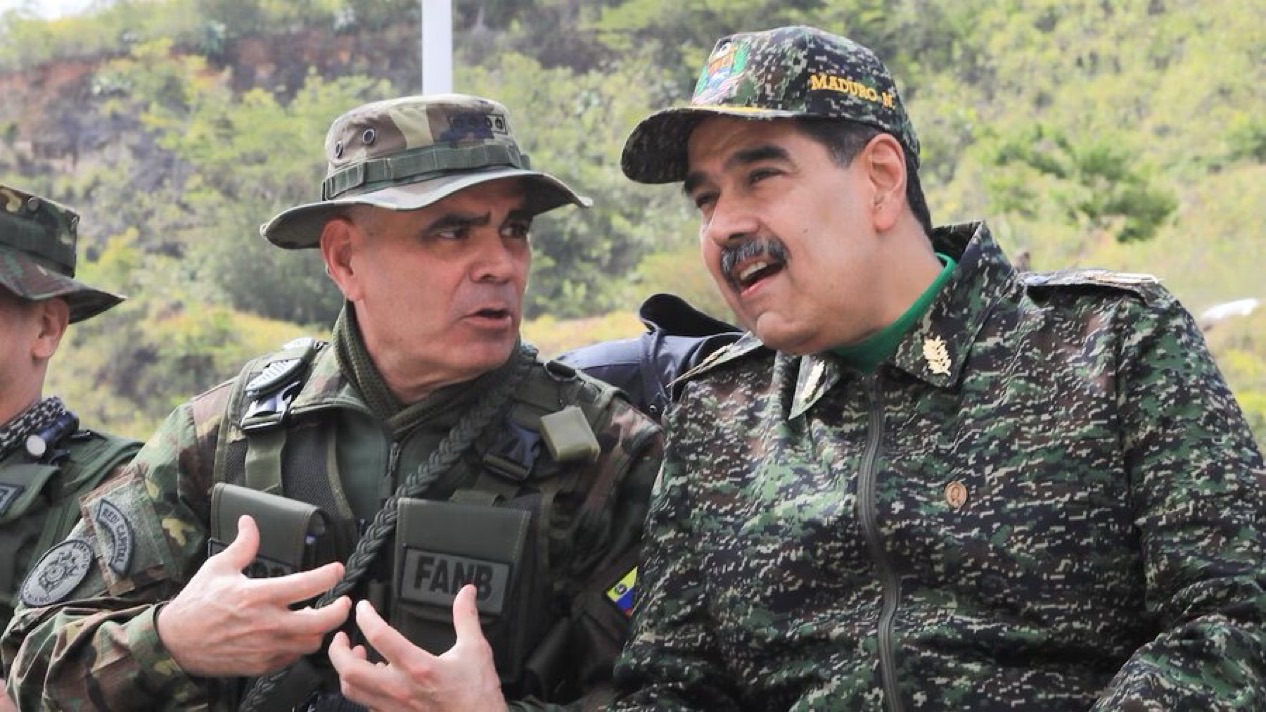
A vast criminal network operating in Venezuela, known as the Cartel of the Suns, is reportedly bringing in an estimated $8.4 billion in revenue annually from drug trafficking, an amount that surpasses the country’s oil earnings. The cartel, allegedly controlled by top military and political figures close to President Nicolás Maduro, is using Venezuela as a major hub to move vast quantities of cocaine to the United States, Europe, and Africa via land, sea, and air routes. This illicit economy has become a lifeline for the embattled Maduro regime, which is facing crippling international sanctions and a collapsed domestic economy.
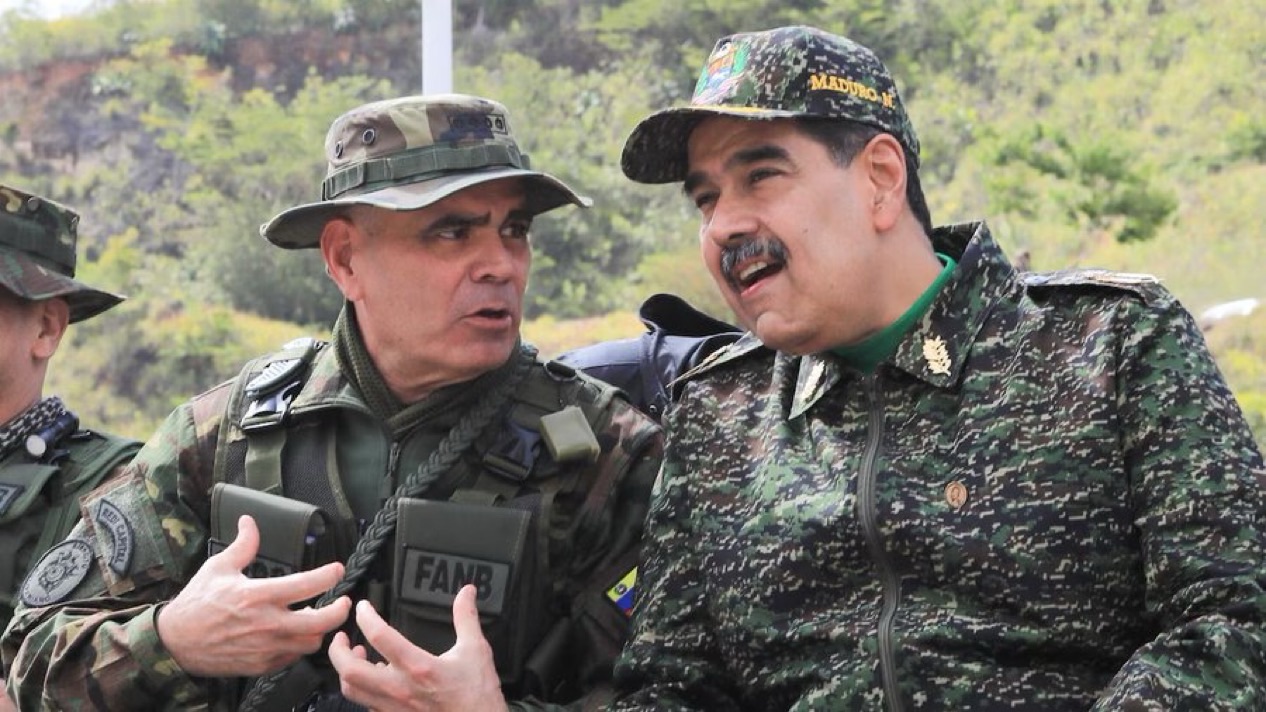
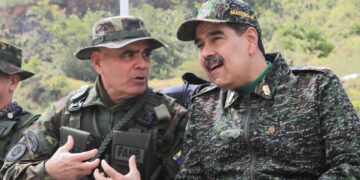
The U.S. has for years accused Maduro and his inner circle of running a “narco-state.” In 2020, the Department of Justice formally charged Maduro with narco-terrorism and conspiracy to import cocaine, among other crimes. These charges were part of a “maximum pressure” campaign to unseat the Venezuelan leader. More recently, in a significant escalation, the U.S. Attorney General announced a doubling of the bounty for Maduro’s arrest to $50 million, a move that coincided with a major U.S. military buildup in the Caribbean. The U.S. government has also seized over 30 tonnes of cocaine and $700 million in assets linked to the “Cartel of the Suns.”
The criminal network is not a single, centralized organization like the well-known drug cartels in Mexico. Instead, it is a complex web of high-ranking Venezuelan officials who are deeply embedded in the state’s military and political apparatus. These officials are accused of providing safe haven and logistical support to international rebel groups and cartels, including Colombia’s ELN and dissidents of the FARC, as well as the notorious Venezuelan gang Tren de Aragua. The U.S. has designated Tren de Aragua as a “foreign terrorist organization,” with officials stating that the group has infiltrated the Maduro regime and acts as an “irregular warfare” agent against U.S. interests.
In response, the U.S. Navy has deployed a formidable naval force, including warships, a nuclear submarine, and a squadron of stealth fighter jets, to the Caribbean. While the official mission is to combat drug trafficking, the scale of the deployment has been widely seen as a show of force aimed at pressuring the Maduro government. With the U.S. openly accusing the Venezuelan regime of “narco-terrorism,” the situation has become a high-stakes standoff with unpredictable consequences for the region. The Venezuelan people, meanwhile, are caught in the middle, hoping that the international pressure will lead to political change, but the drug empire keeps growing.