


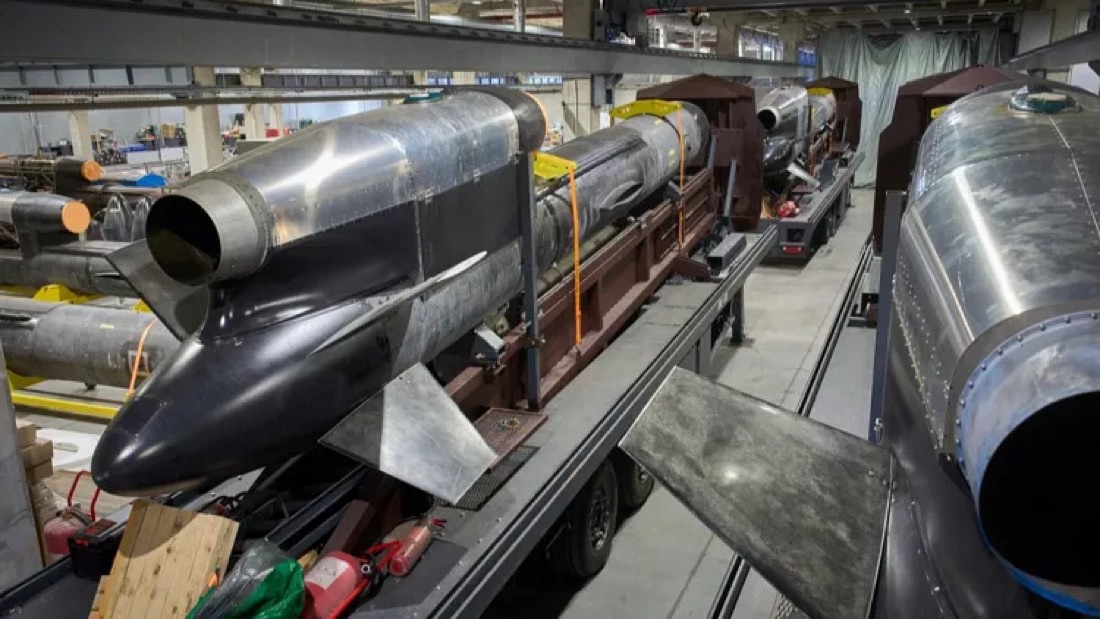
Ukraine has officially unveiled a new domestically produced cruise missile, the Flamingo, marking a significant turning point in its military capabilities. This weapon, developed by the defense firm Fire Point, reportedly boasts a striking range of 3,000 kilometers (1,864 miles) and is equipped with a payload of over 1,000 kilograms (2,205 pounds). The introduction of this missile dramatically extends Ukraine’s reach, bringing a vast portion of European Russia, including strategic military and industrial targets, into range for the first time.

The launch of the Flamingo missile is a direct response to Ukraine’s strategic needs and a desire to reduce its reliance on foreign military aid. For years, the country has been constrained by the limitations and conditions placed on the use of Western-supplied weapons, with allies often prohibiting their use for strikes deep inside Russian territory. This new domestic capability provides Ukraine with a long-range deterrent that is free from outside restrictions.
Ukrainian President Volodymyr Zelenskyy underscored this new reality in a recent statement, declaring, “As of today, we are using our domestically produced long-range weapons… We don’t even mention [coordination with the U.S.] anymore.” This statement signals a clear shift in Kyiv’s military strategy, asserting its independence and self-sufficiency in a way that was previously unthinkable. The Flamingo isn’t just a technological achievement; it represents a fundamental rebalancing of power.
The development of the Flamingo is part of a broader push by Ukraine to accelerate its domestic defense industry. The country’s defense companies, including Fire Point, have been rapidly expanding their production capabilities, developing a wide array of weapons from drones to armored vehicles. This surge in domestic production is seen as a way to sustain the war effort and build a more resilient and independent military force for the long term. Officials have stated that while one missile is currently being produced daily, output could be increased to seven per day by October.
For Russia, the new missile presents a serious threat to its war machine, forcing a reallocation of air defenses and creating new vulnerabilities in its rear areas. The sheer payload of the Flamingo—significantly larger than many of Ukraine’s current long-range assets—means that each successful strike could cause substantial damage to critical infrastructure. The Flamingo’s unveiling isn’t just a military development; it’s a political statement, a symbol of Ukraine’s growing resolve to take control of its own destiny and rewrite the rules of the conflict on its own terms.