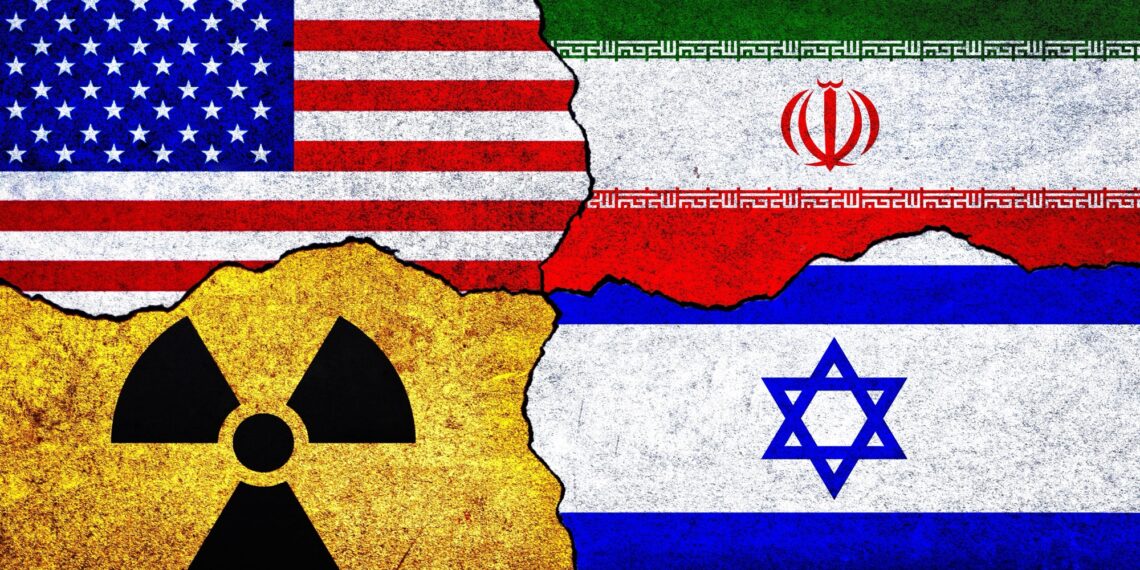



A newly released U.S. intelligence assessment confirms that the American strikes conducted in June destroyed only one of Iran’s three primary nuclear sites, despite initial claims of comprehensive damage. According to NBC News, which cited current and former U.S. officials familiar with the matter, the strike successfully neutralized Iran’s Fordow nuclear facility, significantly delaying its uranium enrichment capabilities by up to two years.
However, the report notes that the other two sites—identified as Natanz and Isfahan—sustained only partial damage and could resume operations within months if Iran decides to proceed. This disclosure follows weeks of uncertainty regarding the true impact of what was dubbed “Operation Midnight Hammer,” a mission described by Pentagon sources as one of the most complex military undertakings in U.S. history.
Officials confirmed that President Donald J. Trump personally overruled a broader plan for sustained strikes that would have spanned several weeks, opting instead for a limited, high-intensity operation. Speaking to NBC, Pentagon spokesperson Sean Parnell reiterated Trump’s position, saying: “The American people know that Fordow, Natanz, and Isfahan were completely eliminated—there is no doubt.”
Yet intelligence evaluations suggest otherwise, revealing that Iran may be able to restart limited enrichment at the partially damaged sites soon. While the White House declined to comment further, Press Secretary Anna Kelly defended the operation as a “total success,” asserting that it crushed Iran’s nuclear ambitions.
Iran’s first official acknowledgment came from Foreign Ministry spokesperson Esmail Baghaei, who admitted that the strikes caused “severe damage” to key nuclear facilities. Iranian Foreign Minister Abbas Araqchi specifically confirmed extensive destruction at Fordow, while downplaying the operational impact on the other two sites.
The high-stakes U.S. mission unfolded against a backdrop of rising regional tensions. According to Gen. Dan Kane, Chairman of the Joint Chiefs of Staff, the U.S. military preemptively evacuated personnel from Al-Udeid Air Base in Qatar before Iran launched a retaliatory missile strike. American air defenses successfully intercepted the salvo, preventing casualties and safeguarding strategic assets.
The revelation underscores the precarious state of U.S.-Iran relations and the likelihood of further escalation. While Washington touts the strikes as a decisive blow to Iran’s nuclear ambitions, experts warn that Tehran could accelerate its weapons program clandestinely, raising fears of a renewed confrontation in the Gulf region.